Category: Uncategorized

With access to detailed local market trends and a full spectrum of listings, I protect buyers from inflated prices and sellers from unnecessary losses. Discover when sellers can capture top prices and buyers can close deals with less competition using this guide on timing the San Diego real estate market: Is there a best season to buy or sell?
Timing the San Diego Real Estate Market: Is There a Best Season to Buy or Sell?
The peak selling power in spring and early summer brings maximized prices for sellers and increased competition for buyers. Conversely, fall and winter offer buyers less competition and negotiation perks. Local dynamics, property type, and personal finances remain key factors throughout the year.

The city’s housing market fluctuates throughout the year, with prices and buyer activity changing. Get seasonal insights that turn market timing from guesswork into strategy.
| Season | Best For | Market Conditions | Competition | Pricing Trends |
| Spring (March to May) | Sellers | Peak activity, highest demand | Multiple offers | Prices peak, fastest appreciation |
| Summer (June to August) | Sellers | Strong yet stabilizing | Families buying before school starts | Prices remain high yet plateaued |
| Autumn (September to November) | Buyers | Cooling market, more balanced | Fewer competing buyers | Prices soften slightly, fewer bidding wars |
| Winter (December to February) | Buyers | Slowest period, buyer’s market | Serious buyer | Lowest prices of the year, best deals |
1. Taking Advantage of the Spring and Early Summer Peak Selling Power
Late spring and early summer months attract the greatest number of ready-to-move buyers, resulting in a market environment ripe for multiple offers and premium pricing.
Maximizing Price During the Spring and Summer Bidding Wars
Spring buyer frenzy drives up sale prices, with San Diego homes listed during March and April achieving a 2% higher sale price compared to properties listed during the rest of the year.
- List your property between mid-March and early May to achieve faster sales and a higher percentage of the asking price.
- Schedule professional staging and photos while the springtime landscape is lush, capitalizing on curb appeal.
- Set an offer review date one week after listing to attract serious buyers quickly.
Trading Off and Strategic Pricing in Sellers
Increased spring and early summer listings give buyers more choices, whereas smart sellers need to use presentation and strategic pricing to make their home stand out from the rest.
- Invest in high-impact updates, like fresh paint, updated fixtures, and clean landscaping to make your property stand out from the increased competition.
- Price your home competitively by researching comparable active listings and setting your price slightly under the most expensive similar properties.
- Prepare a detailed disclosure package upfront to increase transparency and reduce buyer risk.
2. Finding Opportunities for Autumn and Winter Buyers
Buyers who courageously enter the San Diego market during the quieter autumn and winter months discover a powerful advantage against the seasonal rush.

Balancing Less Competition and Motivated Sellers
When the weather cools, casual buyers disappear, allowing motivated sellers to offer a perfect chance for buyers under favorable conditions.
- Target stale listings on the market for 30-plus days, as these properties likely have flexible, motivated sellers ready to accept a lower, realistic offer.
- Submit offers with shorter contingency periods to convince a motivated seller to accept your price.
- Focus your search on areas with seasonal family turnover, like top school districts, where sellers must move regardless of the time of year.
Weathering the Holiday Slump
The holiday market slump forces sellers to focus on closing, giving organized buyers leverage to press for price reductions or credits.
- Leverage the seller’s need for a year-end closing, using upcoming tax implications as a key point in your price negotiation.
- Ask for a repair credit instead of demanding repairs, offering the seller a quicker closing without managing contractors.
- Schedule showings on unpopular days, such as Christmas Eve, to demonstrate your serious intent to motivated sellers desperate for an active buyer.
3. Considering Market Nuances and Personal Situations
What works for one buyer or seller may not work for another because each situation depends on unique local and personal factors.
Assessing Hyper-Local Dynamics and Property Type Variation
Market timing in San Diego depends heavily on where and what you’re buying or selling. Beachfront condos, suburban homes, and downtown lofts may follow different demand cycles.
- Track the median days on market (DOM) specifically for your target neighborhood, as a high DOM suggests less buyer competition, regardless of the month.
- Some properties, like luxury coastal homes, often peak in late winter, so target these deals before high-net-worth buyers begin their summer vacations.
- Base your timing on cap rates and financing opportunities, not the school calendar.
Evaluating Personal Timing, Financial Readiness, and Macro-Drivers
Interest rates, job stability, and personal milestones can affect your timing. Even if market conditions seem ideal, buying or selling before you’re financially ready can create stress.
- Secure a full pre-approval and rate lock with a trusted mortgage broker before viewing properties to become market-ready before seasonal timing.
- Factor in Federal Reserve interest rate decisions and local employment figures, which can also influence the market.
- Determine your true “need to move” deadline and prioritize finding the right home over trying to perfectly time a hyper-competitive market.

Related Questions
Is It a Buyer’s or a Seller’s Market in San Diego?
The San Diego real estate market presents a mixed picture. The single-family homes segment remains a seller’s market with a 2.6-month supply. In contrast, the condo-townhomes segment is closer to a balanced market with a 3.5-month supply, following a significant 45.2% increase in inventory levels.
How Can I Find the Best Homes for Sale in San Diego?
To find the best San Diego homes for sale, work with a real estate agent who has access to a broad network of listings in various neighborhoods across the city. I can provide you with real-time updates and exclusive listings based on your budget and property type requirements.
How Can I Sell My San Diego Home Regardless of the Market Season?
To sell your San Diego home successfully, regardless of the season, focus on strategic preparation and pricing that appeals to the active buyer pool. I can advise you on pre-listing repairs and professional staging, then use superior marketing to make your home stand out year-round.
Conclusion
As you take advantage of optimal timing for the local real estate market, you can submit a successful offer or strategically list your home for top dollar. Let’s turn market complexity into a personal opportunity. Contact Kathleen today for a customized, data-driven plan for buying or selling a San Diego home.
Autumn in San Diego is packed with spooky trails, family‑friendly pumpkin patches, haunted parks, and everything in between. Below is your go‑to guide for the month — sorted by event, with everything you need to know (times, ticket costs, what to expect, and who it’s for).
Featured Events
San Diego Botanic Garden – Lightscape
- Dates & Times: Mid‑October through early January on select evenings (check official site for schedule).
- Tickets / Price: ~$25–35 per adult (discounts for children and members).
- What to Expect: A glowing illuminated trail through the gardens with festive installations and music.
- Vibe: Family‑friendly, magical and gentle — great for all ages.

Carlsbad Strawberry Company – Jurassic Fright Nights
- Dates & Times: Daily through Oct 31. Daytime hours ~10 am–6 pm; Night Fright until ~9–10 pm on weekends.
- Tickets / Price: $22 weekdays / $28 weekends; kids 3–12 $12–18; 2 & under free; parking $10.
- What to Expect: A spooky walk‑through cornfield with animatronic dinosaurs and Halloween effects.
- Vibe: Family‑friendly by day; nighttime Fright is scarier — better for older kids/teens.

SeaWorld San Diego – Howl‑O‑Scream
- Dates & Times: Sept 12 – Nov 1, 2025; opens 7 pm (entry from 6 pm).
- Tickets / Price: ~$44.99–$94.99 depending on night; Any‑Night ticket $66.99.
- What to Expect: Haunted houses, scare zones, roaming haunts, nighttime rides, themed bars.
- Vibe: Intense, scary, adult‑leaning. Not recommended for young children. (For kids: Count’s Spooktacular).

HalGLOWeen at San Diego Zoo
- Dates & Times: Fridays, Saturdays, and Sundays in October, 5 pm – 9 pm.
- Tickets / Price: Included with Zoo admission or membership.
- What to Expect: A glowing after-dark Halloween event with live music, bubble dance parties, acrobats, puppets, and trick-or-treat stations.
- Vibe: Family-friendly, festive, and non-scary.

The Haunted Trail of Balboa Park
- Dates & Times: Sept – early Nov, evenings.
- Tickets / Price: General Admission ~$34.99; Scream Pass ~$49.99.
- What to Expect: A mile‑long outdoor haunted trail plus indoor maze with scare actors and effects.
- Vibe: Designed for teens/adults (recommended 10+). Too scary for younger kids.

Halloween at the Station (Liberty Station)
- Dates & Times: Mid‑October, one evening (check Liberty Station calendar).
- Tickets / Price: Free community event.
- What to Expect: Live DJ, trick‑or‑treating, arts & crafts, costume contests, inflatables.
- Vibe: Family‑friendly, perfect for all ages.

Autumn Festival at San Diego Safari Park
- Dates & Times: Weekends in October (check Safari Park’s event calendar).
- Tickets / Price: Regular admission plus event activities.
- What to Expect: Harvest‑themed fun with animal enrichment, pumpkin carving, crafts, and live entertainment.
- Vibe: Family‑friendly, educational.

Count’s Halloween Spooktacular at Sesame Street / SeaWorld
- Dates & Times: Daytimes in October (weekends).
- Tickets / Price: Included in park admission.
- What to Expect: Costume parade, trick‑or‑treating, Sesame Street character fun.
- Vibe: Kid‑friendly, gentle and playful.

Beachside Fall Fest at Belmont Park
- Dates & Times: One weekend in October, mid‑day through evening.
- Tickets / Price: Free entry; rides & attractions priced individually.
- What to Expect: Live music, games, food, costume contests by the beach.
- Vibe: Family‑friendly, coastal and casual.

Ghosts & Gravestones Frightseeing Tour
- Dates & Times: October evenings (7:30 pm / 8:00 pm departures).
- Tickets / Price: ~$35–50 per person.
- What to Expect: Trolley/walking ghost tours through Old Town, Gaslamp, historic cemeteries.
- Vibe: Best for teens/adults; may be too spooky for young kids.

Haunted Amusement Park (El Cajon)
- Dates & Times: Select Friday & Saturday nights in October, ~7 pm start.
- Tickets / Price: ~$25–40.
- What to Expect: Amusement rides with haunted overlays, scare actors, and spooky games.
- Vibe: Older kids/teens & adults; can be intense.

Pumpkin Patch Guide (San Diego County)
- East Village E‑Vil Halloween Pumpkin Patch — Downtown East Village, urban patch with Halloween flair.
- Mountain Valley Ranch — Ramona; corn maze, farm animals, pumpkins.
- Goff Family Pumpkin Patch — Liberty Station.
- Bates Nut Farm — Valley Center; classic farm patch with hayrides & petting zoo.
- Oma’s Pumpkin Patch — Lakeside; farm‑style, kid activities.
- Summers Past Farms Pumpkin Patch — Flinn Springs; charming rustic setting.
- Family Christmas Tree & Pumpkin Patch — Escondido.
- Mr. Jack O’Lanterns Pumpkin Patch — Clairemont; interactive photo ops & pumpkins.
- Julian Farms Pumpkin Patch — Julian; pumpkins plus fall apple picking nearby.

Best Neighborhoods for Halloween Decorations
- Bressi Ranch, Carlsbad — Larger‑than‑life displays, haunted garages, kid‑friendly trick‑or‑treating.
- Rancho Road, La Mesa— A hidden gem in la mesa. Expect big displays but probably closer to Halloween itself. Definitely a great place to trick-or-treat!
- Del Cerro — Over‑the‑top yard haunts and DIY setups.
- Rolando Village — One resident goes big every year with over the top displays! Address: 4648 Rolando Blvd. San Diego, CA 92115
- Encinitas (Olivenhain) — Hidden gems, creative family‑style displays.

✨ Whether you want kid‑friendly fun or spine‑chilling scares, San Diego offers a full spectrum of October events. Grab your costumes, hit a pumpkin patch, and explore the city’s haunted and festive side this fall!
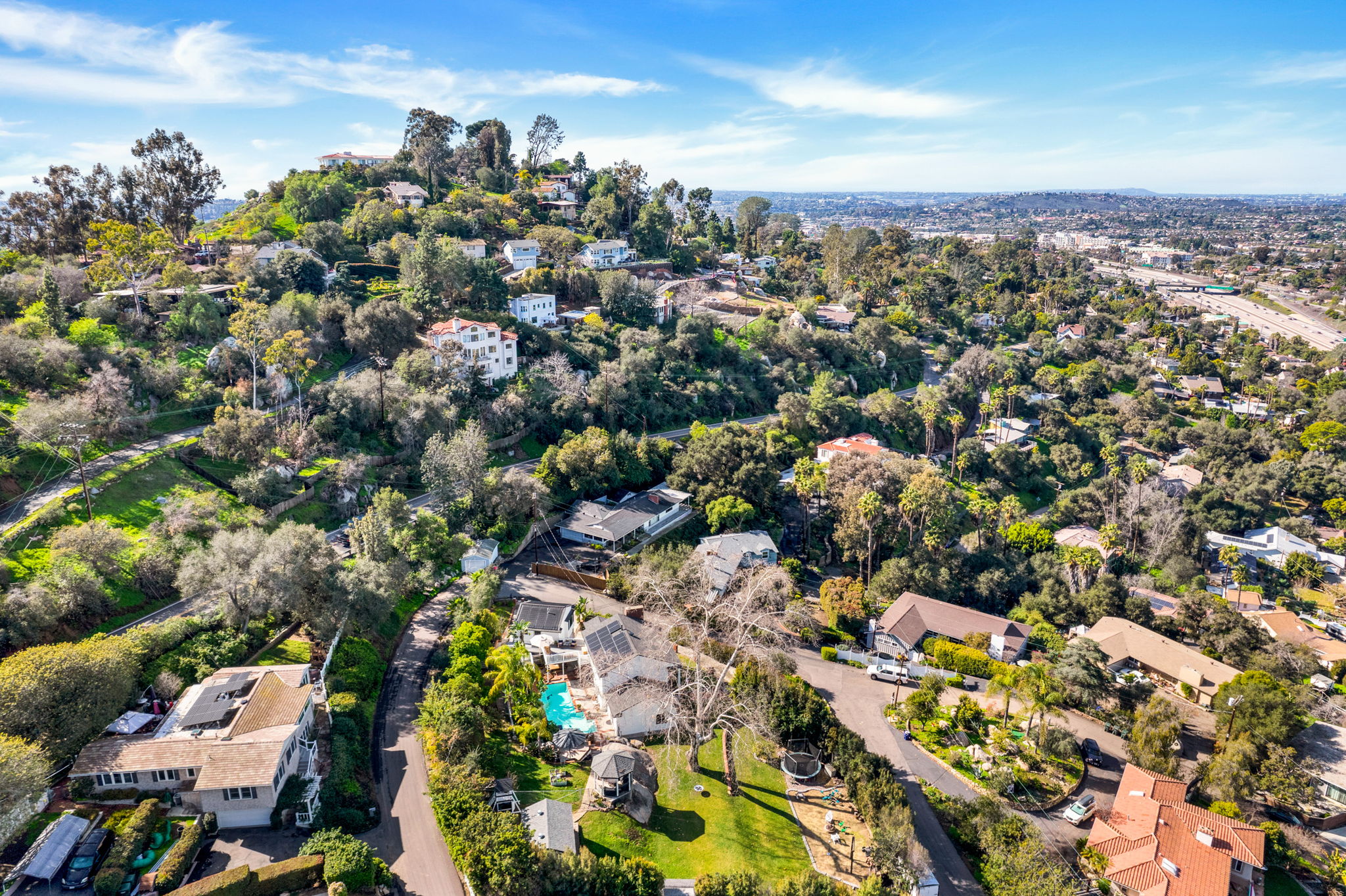
Buying or owning a home in San Diego means keeping an eye on the market. One of the most common numbers you’ll see is year-over-year (YOY) appreciation. But what does it really mean?
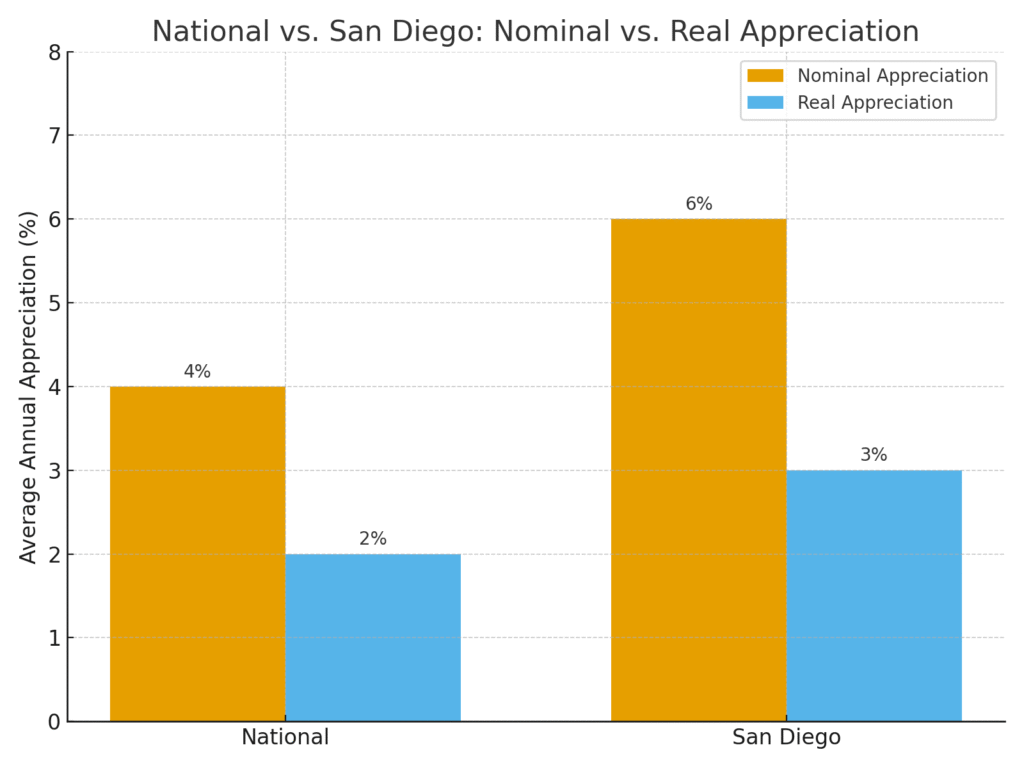
YOY appreciation measures how much home values have changed over 12 months. For example, if San Diego’s median home price was $850,000 last year and $900,000 this year, that’s about a 6% increase.
But here’s the catch: real vs. nominal appreciation.
- Nominal = The raw increase (6% in this case).
- Real = The increase after adjusting for inflation. If inflation was 3%, your real gain is closer to 3%. (Nominal appreciation – Inflation rate)
Why it matters:
- Homeowners: Know your true equity growth.
- Buyers: Understand affordability beyond the headlines.
- Investors: Calculate real returns, not just flashy numbers.
In San Diego, home prices often rise faster than inflation — but not always. Knowing the difference between real and nominal appreciation can help you make smarter real estate decisions.
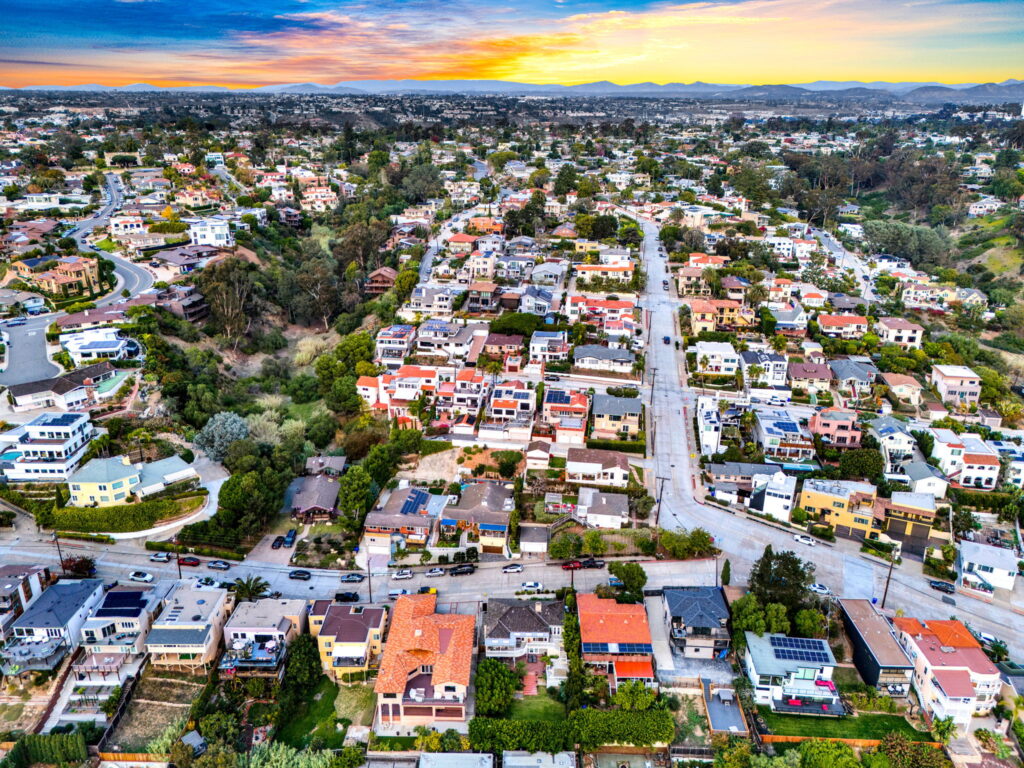
San Diego vs. National Appreciation: Nominal vs. Real
When talking about appreciation, it’s important to separate:
- Nominal appreciation → The raw increase in home prices.
- Real appreciation → The increase after adjusting for inflation (the “true” growth in buying power).
National Average (Long-Term)
- Nominal appreciation: ~3–5% per year
- Real appreciation: ~1–3% per year (inflation usually eats up part of those gains)
San Diego Average (Long-Term)
- Nominal appreciation: ~5–7% per year
- Real appreciation: ~2–4% per year
Why San Diego does better than the national average:
- Geography – Ocean, military bases, canyons, and mountains limit new construction.
- High demand – Desirable climate, strong job centers (biotech, military, universities, tourism).
- Tight supply – Zoning restrictions and slower building permits keep inventory low.
In plain English:
- Across the U.S., a typical home might grow 3–5% a year (nominal), but only 1–3% after inflation.
- In San Diego, homes more often grow 5–7% a year (nominal), which translates to 2–4% real gains after inflation.
- That extra bump is why San Diego real estate is seen as a stronger long-term investment compared to the national average.

Whether you’re a first-time homebuyer or simply looking to rent in the meantime, my local market knowledge can guide you in determining which housing option aligns with your financial goals. Evaluate the costs of buying vs. renting in San Diego neighborhoods to live comfortably in your dream community without stretching your budget thin.
Costs of Buying vs. Renting in San Diego Neighborhoods General Overview
San Diego’s housing market presents distinct cost differences between buying and renting. Your expenses can vary dramatically depending on the option and neighborhood you choose.

Overview of the Costs of Buying in San Diego Neighborhoods
Buying a home in San Diego requires a significant upfront investment, especially with the county’s current median home price at $900,000. The total cost of ownership includes the mortgage payment, taxes, insurance, maintenance, and other fees.
Pros
- Build equity and potential property value appreciation
- Fixed housing costs protect against rent increases
Cons
- Large upfront costs, including down payment and closing fees
- Responsible for maintenance, repairs, and property taxes
Overview of the Costs of Renting in San Diego Neighborhoods
The costs of renting in a San Diego neighborhood primarily consist of the monthly rent, a security deposit, and other recurring expenses like utilities, renters’ insurance, and sometimes pet fees. While rents are up 4.1% around San Diego County, the final rental costs vary widely depending on the neighborhood and apartment size you choose.
Pros
- No down payment or closing costs required
- The landlord handles maintenance and repairs
Cons
- No equity building or ownership benefits
- Rent increases are possible with lease renewals
Comparing Renting and Buying in a San Diego Neighborhood
This evaluation helps align your housing choice with your financial goals and lifestyle, helping you avoid costly trade-offs.
Similarities
The costs of buying and renting in San Diego are influenced by similar market factors.
- Location premium impact: Desirable neighborhoods, such as those with good schools or close to the beach, come with a premium on housing costs for both renters and buyers.
- Market volatility: Both rental and homebuying markets are affected by economic fluctuations, with costs changing based on supply, demand, and interest rates.
- Ongoing housing expenses: Beyond the main cost, both renters and homeowners have recurring monthly expenses. Renters pay for utilities and insurance, while buyers are responsible for taxes and HOA fees.
Differences
Understanding the cost differences between buying and renting helps you make a sound financial decision that affects both short-term affordability and long-term wealth building.

1. Upfront Financial Requirements
An average mortgage payment costs 38% more per month compared to rent, and the city has a 79.9% buy-rent gap. Buying requires a substantial down payment and closing costs. Renting requires a lower initial cash outlay, typically a security deposit and first month’s rent, making it more accessible to those with limited savings.
2. Long-Term Financial Outcome
Buying a home allows for wealth building through equity and appreciation. Renting provides no financial return on the monthly payment, as your money goes to the landlord. Over time, homeownership can lead to a significant increase in net worth, as homeowners pay down their loan balance.
3. Flexibility and Commitment Level
Renting offers greater flexibility and lower commitment, with costs limited to a security deposit and monthly rent, making it ideal for those not planning to stay long. In contrast, buying a house is a substantial long-term commitment. This involves significant upfront costs, like a down payment and closing costs, which lock you into the property.
Major Distinguishing Factor
The major distinguishing factor between buying and renting in any SD neighborhood is equity (ownership stake) versus expenditure (costs incurred). When you buy, your monthly payments contribute to building an asset you own. When you rent, your payments are a pure expense that builds wealth for the landlord.
These are the differences that contribute to the equity and expenditure.
| Aspect | Buying | Renting |
| Upfront costs | Bigger expenses on down payment, closing costs, and inspections | First/last month’s rent, security deposit |
| Long-term financial outcome | Builds equity, potential appreciation, and maintenance responsibility | No ownership stake, no repair costs |
| Flexibility | Long-term commitment, high transaction costs to sell | Easy relocation, short-term leases available |
When to Buy a Home in an SD Neighborhood
Consider buying a home if you have the financial readiness based on different factors:
- You have a stable job and a solid credit history.
- You plan to live in the same location for at least five to seven years.
- You have enough savings to cover the down payment, closing costs, and a reserve for unexpected repairs.
When to Rent a Home in an SD Neighborhood
Renting makes sense if your financial situation or life circumstances make the commitment of homeownership challenging.
- You’re new to the area and want to explore different neighborhoods before settling down.
- You have a job that may require you to move in the next few years.
- You’re still building your savings and don’t have enough money for a down payment.
Which Housing Option Cost Is Better?
The long-term financial benefits of buying, such as building equity and potential for appreciation, can make the initial high costs worthwhile. However, for those who prioritize flexibility and lower upfront costs, renting can be a more practical choice. Ultimately, the best option depends on your financial situation, lifestyle, and long-term goals.

Related Questions
What Are the Key Market Indicators to Consider When Deciding Whether to Buy or Rent?
Key market indicators include median days on market and inventory levels. A longer time on the market and higher inventory can give buyers more negotiation power.
How Does Property Appreciation in Different Neighborhoods Impact the Long-Term Outcome of Buying Versus Renting?
Areas with higher appreciation, such as coastal communities like La Jolla or Del Mar, build equity more quickly for homeowners. Likewise, areas undergoing development or improvement may see faster appreciation.
How Can I Find the Best SD Homes to Rent or Buy?
To find the best SD homes to rent or buy, finalize your budget and location preferences, and then work with a local expert. My expertise and professional contacts can assist you in finding the right property to make an informed decision, whether you’re looking to rent or buy.
Final Verdict
Renting works best if you prefer flexibility and lower upfront costs, while buying makes more sense if you plan to stay in the neighborhood longer and can handle the financial commitment. Ready to explore your options with expert guidance? Contact Kathleen today to discover which path leads to your ideal San Diego home.

San Diego is home to existing and new houses. Blindly choosing may cause you to overpay for outdated homes, overlook structural issues, or miss negotiation opportunities. Achieve your homeownership dreams with this guide on the new housing vs. existing home market in San Diego, where I share market insights and buyer strategy guidance as your real estate agent.
New Housing vs. Existing Home Market in San Diego General Overview
San Diego’s housing market is divided between new construction and existing homes, each offering significant equity.

Overview of the New Housing Market in San Diego
The new housing market consists of recently built, never-occupied homes in new developments, constructed with modern and energy-efficient materials. From August 2024 to August 2025, there has been an 18.5% decline in the latest listings of detached homes, and a 3.7% year-over-year change for attached homes.
Pros
- Latest building materials and energy-efficient designs
- Customization options and modern layouts
Cons
- Higher prices compared to existing homes
- Longer wait times for move-in ready properties
Overview of the Existing Home Market in San Diego
The existing home market includes previously owned properties, from vintage to recently built, located in established neighborhoods. As of April 2025, pending sales of existing homes in the West, a region where California holds significant weight, dropped by 8.9% compared to the previous month.
Pros
- More homes available to choose from with increased inventory
- Longer time to make decisions without rushing
Cons
- May lack modern amenities or designs that are common in new construction
- Can require immediate or future maintenance and repairs
Comparing Existing and New Housing Markets in San Diego
To make a smart homebuying decision, weigh the similarities and differences to find a property that aligns with your financial and lifestyle goals.
Similarities
These shared market pressures create similar experiences regardless of which type of home you choose to purchase.
- High demand and competition: Both markets face intense buyer competition due to the region’s desirability and limited supply, which often leads to bidding wars.
- Impact of economic forces: Both markets are influenced by economic factors like interest rates, employment trends, and population growth, which directly affect affordability and buyer activity.
- Core of homeownership: Both new and existing properties serve the same fundamental purpose: providing long-term shelter, building equity, and serving as a foundational investment.
Differences
Both new and existing houses offer advantages and disadvantages that directly impact affordability, lifestyle, and long-term investment.
1. Condition, Maintenance, and Features
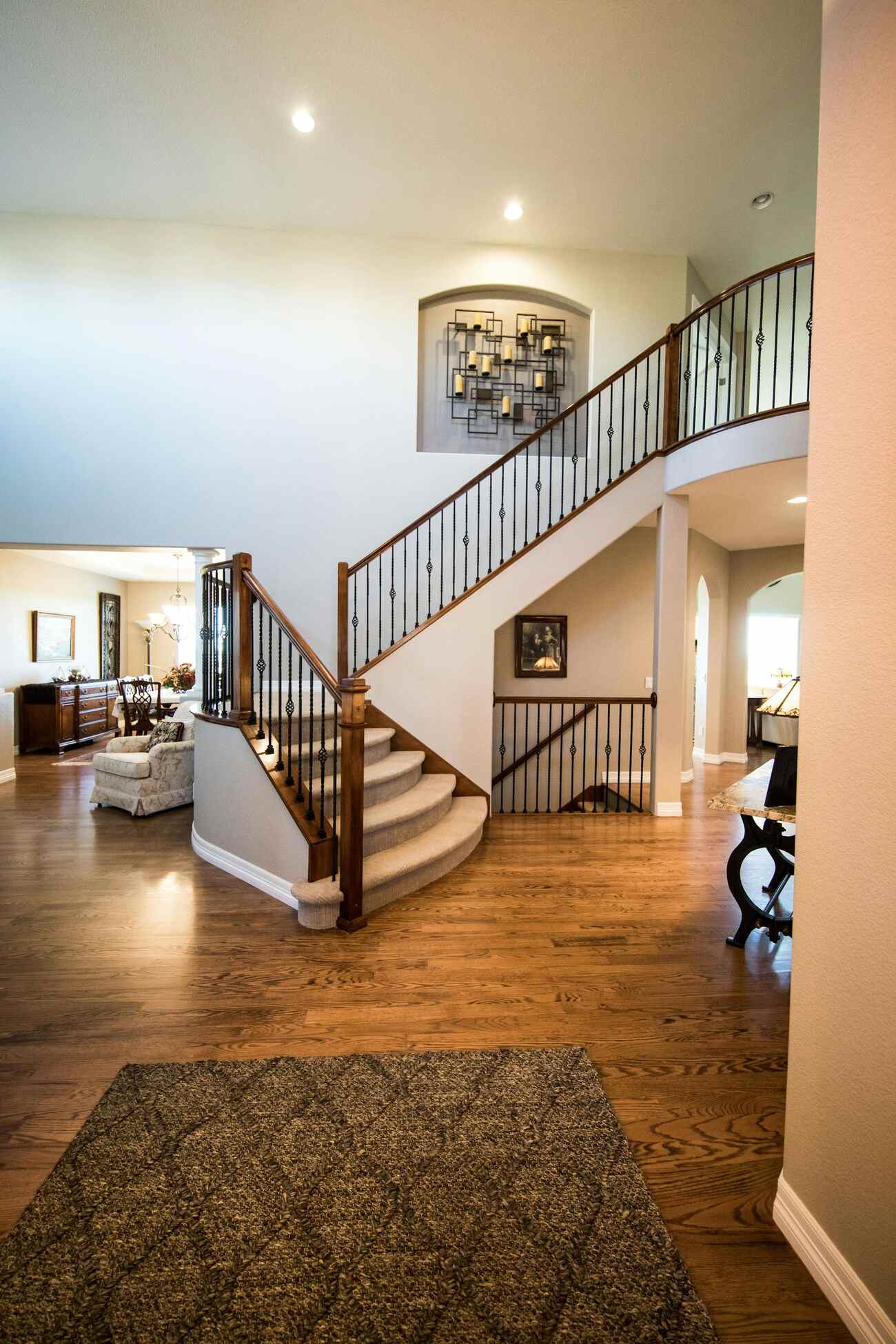
New homes are generally move-in ready with no immediate need for major repairs, featuring modern appliances and open-concept layouts. Existing homes, on the other hand, may have wear and tear and often require maintenance or renovations to meet current aesthetic and functional standards.
2. Pricing and Negotiation
Existing homes are currently more expensive than new construction, a reversal of historical trends. For Q2 2025, the median price for existing homes was $429,400, compared to $410,800 for new properties. Additionally, new home prices are typically non-negotiable, while existing home prices can be negotiated based on market conditions and the home’s condition.
3. Transaction Timeline
A new home transaction is often a lengthy process, involving unpredictable delays as you wait for construction to be completed. In contrast, the purchase of an existing home follows a more predictable timeline, with a closing process that can be completed in as little as 30 to 45 days.
Major Distinguishing Factor
While a new home comes with a warranty and modern features, it may also have construction delays and quality uncertainties. With an existing home, you know what you’re getting upfront, including potential issues, while gaining an established community and a faster move-in time.
| Factor | New Housing | Existing Homes |
| Condition, maintenance, and features | Move-in ready, modern systems, warranties, latest designs | May need updates, established character, potential maintenance issues |
| Pricing and negotiation | Builder incentives, limited price flexibility, premium costs | More negotiation room, competitive pricing, inspection leverage |
| Transaction timeline | Construction delays possible, 3-6 months process from preparation to settlement, builder contract terms | Faster closing, 30-45 days closing days, standard purchase agreements |
When to Buy a New House in San Diego
New construction is often the right choice for specific types of buyers, such as:
- Low-maintenance buyer: Someone who wants a move-in-ready home with a builder’s warranty, modern systems, and no immediate need for repairs.
- Customization enthusiast: Buyers who desire a personalized floor plan and finishes, including the ability to choose upgrades from smart home technology to cabinet materials.
- Amenity-focused homeowner: Buyers looking for communities that offer amenities like shared pools, parks, and other recreational facilities common in new developments.
When to Buy an Existing Home in San Diego
For other buyers, the existing home market holds distinct advantages for people like:
- Location-driven buyer: Someone who prioritizes a specific, established neighborhood, proximity to a downtown area, or unique historical character.
- Value-add investor: Buyers looking for an opportunity to build equity by renovating a property.
- Price-conscious buyer: Buyers who need more negotiation opportunities in finding a home at a lower price point.
Which Property Market Segment Is Better?
New homes are ideal for those who want modern features, energy efficiency, and low maintenance. Existing homes are better for buyers who value established locations, unique character, and a quicker closing. Consider your tolerance for renovations, move-in timeline, and investment goals before deciding.

Related Questions
Which Market Segment Offers Better Value for First-Time Homebuyers in San Diego?
Existing homes often offer better financial value for first-time homebuyers with a lower sticker price and established landscaping. New homes can also provide excellent monetary gains, as builders may offer incentives like cash at closing or a reduced mortgage rate.
What Is the Trend in Real Estate in San Diego?
San Diego’s market is trending toward a more balanced environment, with properties staying on the market longer and buyers gaining leverage. This is evidenced by price reductions, seller concessions, and the ability to negotiate for lower interest rates.
How Can Real Estate Agents Assess if They Should Choose an Existing or a New Home?
As your real estate agent, I can assess whether an existing or a new home is right for you by providing expert neighborhood knowledge and a clear breakdown of costs. My local expertise enables me to compare features, prices, and potential repair costs side-by-side to give you the best recommendations.
Final Verdict
Now that you know how existing and new properties compare, you can make strategic decisions that align perfectly with your budget, timeline, and lifestyle goals while maximizing your long-term investment potential. Contact Kathleen today to discover which market segment offers the best path to your San Diego homeownership success.

With my expert analysis as a real estate agent, I’ve helped investors avoid stagnant markets, giving them profitable opportunities in both premium and emerging markets. From coastal markets, developing hubs, and undervalued gems, explore the top 10 San Diego neighborhoods with value growth & investment potential.
Top 10 San Diego Neighborhoods With Value Growth & Investment Potential
San Diego’s real estate market offers a diverse range of opportunities, starting with the established powerhouses like La Jolla, Carlsbad, Del Mar, and Downtown. Meanwhile, dynamic appreciation can be found in emerging hotspots such as North Park, University City, and Normal Heights. A high upside is seen in underrated neighborhoods, including Barrio Logan, Encinitas, and Encanto.
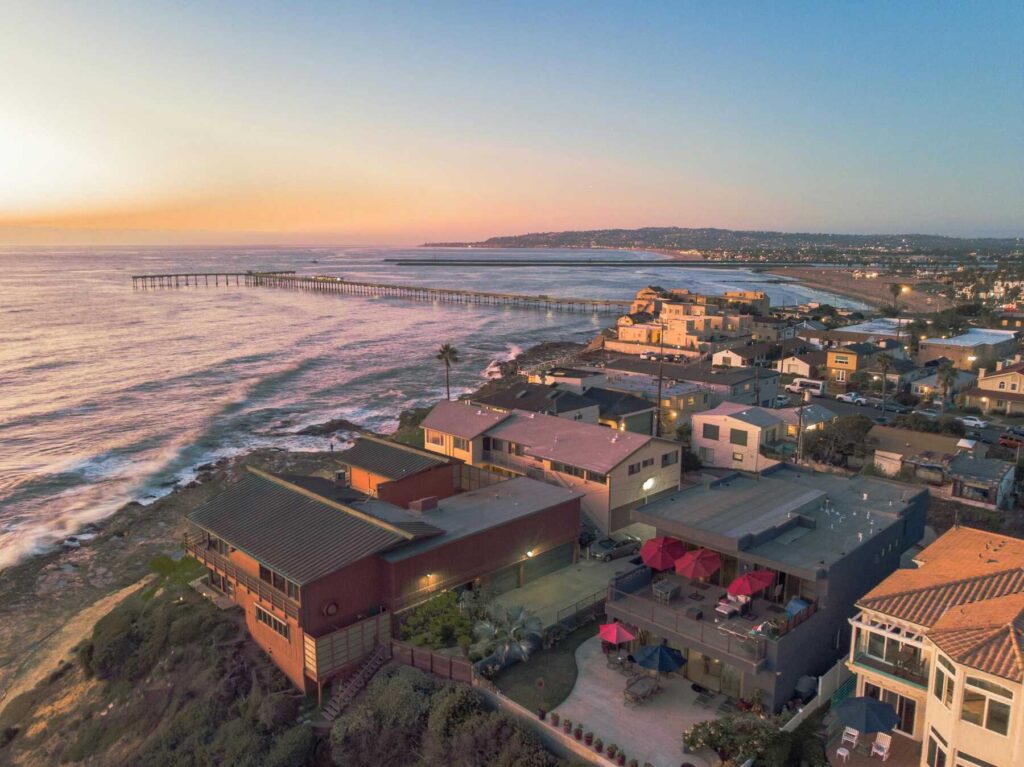
Each area offers unique advantages for investors seeking long-term growth and solid cash flow.
| Neighborhood | Key Growth and Investment Factors | Investment Opportunities | Typical Price Range |
| La Jolla | Prestigious coastal community, international buyer appeal | Luxury homes, vacation rentals | $2.3-$3 million |
| Carlsbad | Master-planned communities with family appeal, tech corridor proximity | Single-family, new housing market | $1.4-$1.6 million |
| Del Mar | Exclusive beachfront living with a horse racing community, upscale shopping | Luxury estates, condos | $2.4-$3.5 million |
| Downtown | Urban sophistication, transit-oriented development | Condos, mixed-use buildings | $480,000-$627,000 |
| North Park | Hip artistic enclave, cultural renaissance | Craftsman homes, multi-unit | $465,000-$934,000 |
| University City | Tech corridor hub near UCSD, planned communities | Single-family, condos | $725,000-$1 million |
| Normal Heights | Trendy neighborhood with vintage charm, central location | Bungalows, duplexes | $715,000-$825,000 |
| Barrio Logan | Cultural transformation, affordability | Starter homes, Fix-and-flip | $627,000-$735,000 |
| Encinitas | Laid-back surf culture, lifestyle destination | Beach homes, rental properties | $1.8-$2.3 million |
| Encanto | Affordable entry point with a strong community, first-time buyer market | Entry-level, renovation projects | $680,000-$755,000 |
San Diego Neighborhoods With Established Growth Markets
These mature neighborhoods have proven their stability through consistent performance and strong property values.
1. La Jolla
La Jolla is San Diego’s premier luxury destination with consistent demand from wealthy buyers.
- Growth factors: Unparalleled coastal beauty, top-tier schools, affluent community.
- Investment appeal: Best suited for high-net-worth investors seeking trophy properties and long-term appreciation rather than cash flow.
2. Carlsbad
With a quintessential Southern California coastal lifestyle, Carlsbad drives investment potential for rental yields and long-term appreciation in a family-friendly market.
- Growth factors: Family-friendly neighborhoods with coastal access and strong economic growth in industries like technology, life sciences, and tourism.
- Investment appeal: Investors wanting coastal exposure without La Jolla prices, targeting family renters and long-term residents.
3. Del Mar
Del Mar’s growth and investment potential are for luxury-focused investors who can capitalize on a market consistently commanding the county’s highest price points.
- Growth factors: Exclusive, high-end real estate and its reputation as one of the city’s most prestigious coastal communities.
- Investment appeal: Substantial capital seeking prestige properties that hold value during market downturns and attract high-income tenants.
4. Downtown
Downtown’s growth is tied to its position as the city’s urban core and a hub for business, entertainment, and tourism.
- Growth factors: New residential towers, corporate relocations, and entertainment districts.
- Investment appeal: High-density rental properties with strong cash flow from business travelers, young professionals, and urban lifestyle seekers.
Up-and-Coming Neighborhood Hotspots in San Diego
These areas are experiencing a surge in popularity and development, presenting opportunities for significant appreciation.

5. North Park
Attracting a younger demographic due to a strong rental market, North Park is a great option for a buy-and-hold strategy aimed at steady appreciation.
- Growth factors: Transformation from an overlooked area into an urban hub with thriving nightlife, craft breweries, and walkable streets.
- Investment appeal: Solid rental income potential and appreciation, ideal for those seeking relatively attainable median home prices.
6. University City
University City offers predictable demand for rental properties near improved transit options, presenting a low-risk scenario for investors seeking stable long-term gains.
- Growth factors: Proximity to major employment centers like the University of California San Diego, biotech companies, and tech campuses.
- Investment appeal: Steady tenant demand from students, researchers, and tech workers, offering investors reliable cash flow and long-term appreciation potential.
7. Normal Heights
Normal Heights offers charming single and multi-family properties with a more accessible price point than its neighbors.
- Growth factors: Quiet residential streets with an expanding business corridor attracting new shops and restaurants.
- Investment appeal: Below-market pricing compared to nearby areas, perfect for first-time investors.
Neighborhood Hidden Gems With Growth Potential in San Diego
These neighborhoods are not on every investor’s radar yet, although they possess key characteristics that signal future growth.
8. Barrio Logan
Barrio Logan is transforming into a cultural destination while maintaining its authentic Mexican heritage and artistic identity.
- Growth factors: Rich cultural identity, flourishing arts scene, and ongoing revitalization projects.
- Investment appeal: Affordable price points relative to its proximity to Downtown, suitable for opportunistic investors willing to embrace a more community-driven market.
9. Encinitas
Encinitas is experiencing strong demand due to its desirable coastal lifestyle, surf culture, and family-friendly atmosphere.
- Growth factors: Nationally recognized schools with innovative programs, beaches, and small-town charm create consistent housing demand.
- Investment appeal: Stable appreciation in a premium coastal market with strong rental demand from families and beach enthusiasts.
10. Encanto
Encanto’s investment potential is driven by its relative affordability within the city, making it an increasingly attractive option as the neighborhood continues to gentrify and develop.
- Growth factors: Rising prices in other areas push buyers toward Encanto’s affordability and space.
- Investment appeal: Buy-and-hold investors or fix-and-flip projects targeting first-time homebuyers and families seeking affordable entry points.

Related Questions
Is San Diego a Good Place to Invest in Real Estate?
San Diego is a great place to invest in real estate due to its strong, stable economy and consistent population growth. Its beautiful climate and desirable lifestyle create a year-round demand for housing, driving a resilient market.
What Are the Key Factors That Drive San Diego Real Estate Investment?
Location proximity to employment centers, transit access, and neighborhood development trends are the primary drivers of San Diego real estate values. Focus on areas with job growth, infrastructure improvements, and zoning changes that allow additional housing units.
How Should I Choose Which Neighborhood to Invest In?
To choose the right neighborhood, identify your investment goals, whether it’s for long-term appreciation or steady rental income. With my local market knowledge, I can provide data-driven insights to match your goals with the best neighborhoods, creating a credible investment journey tailored for you.
Conclusion
These top San Diego neighborhoods present diverse options for investors seeking both immediate returns and long-term growth. For sustainable investment strategies, contact Kathleen today to discover which neighborhoods align with your investment and financial objectives.

Selling properties can leave you drowning in paperwork while your dream buyer slips away to competitors. With my local expertise in selling San Diego houses, I’ve helped homeowners achieve higher sale prices and avoid legal issues. See the difference between selling a home by owner vs realtor in San Diego to make the best choice for your sale.
Selling a Home by Owner vs Realtor in San Diego General Overview
Selling your home yourself offers the potential to save on commissions, yet comes with significant responsibilities. Conversely, hiring a realtor leverages their expertise and network to handle complexities, though at a cost. Each method has its pros and cons.
Overview of Selling a Home by Owner
Selling a home by owner means you, the homeowner, take on the responsibilities typically handled by a real estate agent. This includes marketing, showing the property, negotiating offers, and managing the closing process.
Pros
- Avoid the 5% to 6% commission fee typically paid to real estate agents.
- Gain full control over the sale, including the listing price, marketing strategy, and negotiation terms.
Cons
- Demands a substantial time commitment for inquiries, showings, and paperwork.
- Struggle with accurate pricing and effective marketing.
Overview of Selling a Home by a Realtor
Hiring a realtor involves delegating the entire selling process to a licensed professional who acts as your representative. They bring their expertise, resources, and networks for a smooth transaction.
Pros
- Have in-depth knowledge of the San Diego market, including current trends, pricing strategies, and legal requirements.
- Access to listing services and a wide network of potential buyers and other agents.
Cons
- Most realtors manage multiple clients and properties at once.
- Some marketing strategies may not align with your vision for the property.
Comparing Selling a Home With a Realtor and by the Homeowner
Understanding these factors can help you choose the path that matches your comfort level, schedule, and financial goals.
Similarities
You’ll find they have more in common than you might expect, especially in what you need to achieve and how the transaction must be handled.
1. Selling Goals
For both FSBO (for sale by owner) and realtor-assisted sales, the ultimate goal is to sell the property at the highest possible price within a reasonable timeframe. Both approaches aim to achieve the best outcome through effective sales strategies.
2. Legal Compliance
Regardless of who is managing the sale, the transactions must adhere to state and federal real estate laws. This includes comprehensive disclosure requirements and legally sound contracts.
3. Closing Process
Once an offer is accepted, the closing process is largely the same. The process involves escrow, title searches, inspections, and final signing.
Differences
How you choose to sell your home changes how you market your property, handle the paperwork, and manage your time.
1. Market Exposure and Strategies
An FSBO seller markets through online platforms and yard signs, while a realtor utilizes the Multiple Listing Service (MLS) and their professional network. Realtors use professional photography, open houses, and targeted marketing to set competitive prices and reach qualified buyers faster.
2. Fees and Paperwork Management
FSBO sellers save on commission, yet must meticulously handle the legal and transactional paperwork. With a realtor, the commission fee covers the agent’s expertise, marketing, negotiation, and paperwork.
3. Time Commitment and Convenience
Selling by owner requires a significant time commitment, as you are responsible for everything. Realtors, conversely, take these tasks off your plate, handling marketing, negotiations, scheduled showings, and paperwork.
Major Distinguishing Factor
Expertise is the key difference between selling FSBO and using a realtor. Realtors know the San Diego housing market, pricing trends, and negotiation tactics. Most homeowners lack this background, which can affect the speed and profitability of their sale.
| Factor | Selling by Owner | Using a Realtor |
| Listing exposure and strategies | Limited to personal networks and basic online listings; fewer potential buyers | Professional MLS listing, marketing networks, professional photography, proven advertising strategies |
| Fees and paperwork | No commission fees yet, responsible for legal documents | Higher costs due to commission, but professional handling of paperwork |
| Commitment and convenience | Requires significant personal time | Manages the entire sales process from listing to closing |
When to Sell a Home by Yourself
Selling your home yourself is best for those willing to invest significant personal time and effort. You could consider this option if:
- You’re already familiar with the San Diego real estate market and its legal requirements.
- You have a pre-qualified buyer already lined up.
- Your home is in a highly desirable San Diego neighborhood where a sale is almost secured.
When to Sell a Home With the Help of a Realtor
Hiring a realtor is the preferred method for most homeowners, as they provide professional support for a successful sale. You should sell with a realtor if:
- You want to get the highest possible price for your home without having to handle the complexities yourself.
- You’re not familiar with the intricate legal requirements of selling houses.
- You have a limited amount of time.
Which Type of Home Selling Method Is Better
Selling FSBO is suitable for those willing to take on significant responsibilities to save on commission fees. Meanwhile, using a realtor is often better for homeowners who prioritize convenience, professional guidance, and maximizing their sale price.
Ultimately, the best method for you depends on your circumstances, time, and comfort level with the intricacies of transactions.

Related Questions
Who Is the Best Person to Sell Your House?
The best person to sell your house is a knowledgeable and experienced real estate professional who understands the local San Diego market. As a professional property agent, I will act as your advocate, using my expertise to secure the highest possible sale price for your property.
What Qualities Should I Look for in San Diego Real Estate Agents?
A great San Diego real estate agent should have strong local market knowledge, superior negotiation skills, and a proven track record. They should also be excellent communicators and problem-solvers with a deep network of industry contacts.
When Should I Switch From FSBO to Hiring a Realtor?
Switch from an FSBO sale to a realtor when the property isn’t attracting qualified buyers or has been on the market for an extended period. This is also the right move if you risk making costly mistakes in negotiating or handling paperwork.
Final Verdict
The peace of mind, expertise, and potential for a better outcome offered by a professional realtor make it the superior choice for selling houses. However, for those with the time to dedicate to the sale, the FSBO route remains a viable option. If you want a hassle-free transaction, contact Kathleen today for a personalized strategy.
A lack of data on market trends can lead to overpaying for a property or setting an unrealistic selling price. My real estate services transform market data into actionable insights, helping buyers and sellers develop well-timed strategies. This guide provides a comprehensive breakdown of San Diego housing market trends to reveal patterns and investment opportunities.
San Diego Housing Market Trends
Driven by relocations, industry growth, and lifestyle changes, San Diego’s housing market has unique rhythms that create distinct seasonal patterns and pricing opportunities. Knowing these trends is important for anyone looking to buy, sell, or invest in one of California’s most desirable and complex real estate markets.

These trends affect buying strategies, selling plans, and whether the market favors buyers or sellers.
Current Market Dynamics
Understanding the dynamics influences everything from property values and investment potential to personal affordability and lifestyle choices.
Shifting Inventory and Days on Market
The market is transitioning from a seller’s advantage to a more balanced environment. This is highlighted by a dramatic increase in available homes and longer days on market.
- Inventory has surged by 55% year-over-year. For sellers, this means you’re no longer competing against a handful of properties. Make your home stand out with professional staging and competitive pricing.
- The average days on market is 29 days. The lightning-fast sales of previous years are slowing, giving buyers the time they need to make well-thought-out decisions. Sellers should prepare for a slightly longer sales process.
- Inventory levels are up 28.7%, indicating a shift towards a more balanced market, offering buyers more options and leverage.
Median Price Trends for Annual Home Sales
The average sale-to-list price ratio remains a tight 99%. Homes are still selling very close to their asking price as buyers are now less willing to overbid.
San Diego County currently has the sixth-highest median home value in the state. Despite the annual increase, this indicates a consistent and strong appreciation in the median home price in the city.
For homebuyers, the strong appreciation indicates increased affordability challenges, as rising prices require larger down payments and higher mortgage payments. For sellers, this trend is highly favorable as it provides them with increased equity and potential for substantial profits.
| Timeframe | Median Home Price |
| 2025 | $1,020,816 |
| 2024 | $1,014,478 |
| 2023 | $933,639 |
| 2022 | $927,807 |
| 2021 | $783,095 |
Underlying Forces Shaping the Market
This section explores the macroeconomic and demographic factors that are redefining San Diego real estate, giving insights into the “why” behind the numbers.

Interest Rates, Inflation, and Affordability Challenges
The mortgage rates have a profound effect on purchasing power. Interest rates would need to fall to 4.43% for a median-income family to comfortably afford a typical home. It’s a key reason why price growth is moderating, as the market is being forced to find a new, more sustainable equilibrium.
| Challenge | Details |
| Mortgage rate shock | Rates increased to 7%+ |
| Lock-in effect | 81% of homeowners have <5% rates |
| Income gap | Required income 2.6x median CA income |
| Payment inflation | Home payments exceeded the 23% growth in average hourly wages |
Supply-Demand Imbalance and Demographic Shifts
More people tend to wait longer before buying their first homes due to high property prices in California. Even with population growth leveling off, more people are looking for homes than there are listings. This oversupply of homes in San Diego has consequences:
- New listings of homes for sale have increased by 4.4% year-over-year. This increase gives buyers more options to choose from, potentially slowing the pace of the market.
- Total listings have also seen a rise, climbing 14.5%. This indicates that inventory is building, shifting the market to a less competitive environment for buyers.
- Pending sales have decreased by 1.5% compared to the same time last year. This suggests that fewer buyers are successfully entering into contracts, which could be a sign of cooling demand.
The San Diego Outlook
Price changes and buyer leverage are creating new dynamics across different property types.
Market Trajectory and Price Projections
Seasonal patterns are expected to return, with a slower fall and winter market. This gives buyers more time to shop and sellers an incentive to list in the busier spring and summer months to maximize exposure.
Here are the median sale prices for three of the top-selling property types in San Diego. These home prices may experience modest growth in the future, with some small dips expected as the market settles.
| Property Type | Current Median Price |
| Single-family homes | $1,000,000 |
| Condos and townhouses | $681,000 |
Strategic Advice for Stakeholders
In terms of market direction, rising inventory levels and increased days on market give you a better chance to negotiate favorable terms. Steady demand in popular neighborhoods means you should research each area closely before making offers.
- Sellers need to price strategically from day one to attract buyers and avoid price reductions. With more inventory, buyers have more options and less urgency.
- Buyers now have more negotiating power and time to evaluate their options. This is an opportunity to be patient and work with an experienced agent to secure a home at a fair price and on your terms.
- Investors can focus on the rental market and consider long-term value areas. Consider investing in properties that offer good cash flow or exploring value-add opportunities like Accessory Dwelling Units (ADUs).
Related Questions
Is It a Buyer or Seller Market in San Diego?
The San Diego housing market is currently evolving into a buyer-friendly environment, but it’s not yet a definitive buyer’s market. With increasing inventory and a slower pace of sales, buyers are gaining more leverage and negotiating power, especially in specific segments.
What Advice Would You Offer to Buyers Looking to Enter the San Diego Market in the Current Climate?
Buyers should get pre-approved for a loan to fully understand their budget and increase their negotiating power. With more homes on the market, take the time to evaluate properties thoroughly and be prepared to make a competitive yet strategic offer.
What Should Sellers Consider When Listing Their Homes in San Diego’s Evolving Market?
Sellers should focus on competitive pricing and professional presentation to stand out in the evolving market. Investing in high-quality photos, virtual tours, and strategic marketing can attract serious buyers and help a property sell quickly and for a strong price.
Conclusion
Staying informed about housing market trends in San Diego gives you the competitive edge to recognize prime buying or selling opportunities and negotiate from a position of strength. Contact Kathleen today for a personalized, expert, and data-driven strategy for your next real estate investment.

Do you feel bombarded with endless paperwork and confusing market data? Whether you’re a first-time homebuyer or a seller, I can serve as your trusted guide to navigate the market and help you achieve your property goals. Despite that, I urge you to discover how to choose a real estate agent in San Diego to secure your desired outcome with expertise and care.
How to Choose a Real Estate Agent in San Diego
To find the right San Diego real estate agent, consider universal qualities and local expertise. The best agents have proven credentials, specialized experience, strong communication skills, and good reviews. They should provide San Diego-specific knowledge, especially about climate zones and insights into the military housing market, and local developments.
When you know how to pick a reliable San Diego agent, you set yourself up for smoother closings and peace of mind.
Key Qualities to Look for in San Diego Real Estate Agents
These core qualities of professional real estate agents will define your experience and the success of your transaction.
1. Credentials, Specialization, and Experience
Only work with someone who is licensed to operate in California and specializes in your target area to know how to price, market, and negotiate offers locally.
- Verify their state license is active and in good standing with the California Department of Real Estate.
- Ask about working experience in your neighborhood and property type.
- Discuss the types of properties they specialize in, such as luxury homes or condos.
2. Communication Style and Negotiation Skills
A good agent listens to your preferences and adapts their communication to match your style.
- Ask how they prefer to communicate (text, email, phone) and how frequently you can expect updates.
- Discuss their negotiation philosophy and strategies for winning bids in a competitive market or securing top dollar for a listing.
- Observe their responsiveness and clarity during your initial conversations.
3. Strong Network and Professional Affiliations
A well-connected agent can leverage their network to provide a broader range of services and opportunities.
- Confirm membership in local real estate associations.
- Ask which inspectors, lenders, or service pros they recommend.
- Inquire about their relationships with other top agents in the area.
4. References and Reviews
Good agents are happy to share references from recent clients.
- Request at least two references from the last year.
- Check for positive online reviews and see how they respond to complaints.
- Reach out to past clients for a direct opinion.
San Diego-Specific Factors to Consider
San Diego is a unique and diverse market, and a great agent will have specialized knowledge that goes beyond the standard real estate playbook.

1. Climate Zone Expertise
Agents should understand how coastal fog, inland heat, and microclimates affect home value and comfort.
| Climate Factor | Agent Knowledge Required |
| Coastal proximity | Microclimate understanding |
| Fire risk areas | CAL FIRE zone mapping |
| Flood zones | Flood map interpretation |
2. Military Market Experience
With about 115,000 active-duty service members in San Diego, local agents should have military market experience for veterans and active service members.
| Military Consideration | Agent Qualifications |
| VA loan process | VA-approved lender network |
| Base proximity | Local base knowledge |
| BAH rates for service members | Current rate knowledge |
3. Infrastructure and Development
A knowledgeable agent can explain how local projects impact long-term value, rental demand, and daily life.
| Development Area | Agent Awareness Level |
| Transportation projects | SANDAG project knowledge |
| School district changes | Education system updates |
| Commercial developments | Zoning and planning familiarity |
Questions to Ask When Interviewing Agents
Asking the right questions will help you gather the information you need to make an informed and confident decision.
1. Experience and Track Record
These questions help you understand their level of activity and the results they have delivered for past clients.
- How many homes did you sell in my target neighborhood last year, and what was your average list-to-sale price ratio?
- What do you believe is the single biggest challenge in today’s San Diego market, and how do you help clients overcome it?
2. Marketing and Strategy for Sellers
Ask these questions to help you understand how an agent plans to showcase your home and get it sold for the best possible price.
- What is your comprehensive marketing plan for my home, including digital and traditional channels, and how does it differ from a standard plan?
- How will you use professional photography, videography, and virtual tours to make my property stand out?
3. Buyer Representation
If you’re buying, these questions will help you determine how the agent plans to guide you through the search, offer, and closing process.
- How do you plan to help me find homes, including those that are not yet on the market?
- Can you walk me through your process for crafting a competitive offer in a multiple-offer situation?
4. Fees and Contracts
These questions can help you avoid surprises while staying comfortable with the financial aspects of the agreement.
- What is your commission structure, and are there any additional fees I should be aware of?
- Can you explain the terms of your representation agreement, including the duration and any termination clauses?

Final Evaluation Checklist
This chart synthesizes the key qualities and questions into a simple framework, considering every important factor before signing on the dotted line.
| Evaluation Criteria | Agent A | Agent B |
| Experience and credentials | ||
| Local market knowledge | ||
| Communication quality | ||
| Marketing strategy | ||
| Professional network | ||
| Client references | ||
| Negotiation skills | ||
| Schedule flexibility | ||
| Fee structure | ||
| Personal chemistry | ||
| Problem-solving ability | ||
| Total score |
Related Questions
What Are Red Flags to Watch Out for in Property Agents?
Some warning signs in a real estate agent include vague answers, reluctance to provide recent references, and pressure to sign agreements without enough details. Look elsewhere if they focus only on fast closings or ask for upfront payments.
How Do I Break the Tie if Two Agents Seem Equally Qualified?
Should both agents have great reviews, similar experience, and strong local knowledge, compare their communication habits and personalities. One may be more responsive or explain things in a way that clicks better for you.
How Do I Determine if an Agent’s Offer Is Genuinely Beneficial for My Needs?
An agent’s offer is genuinely beneficial if it is based on a clear understanding of your unique financial situation and personal goals. Beneficial offers include a customized strategy, whether that’s a quick sale or finding a specific type of property.
Conclusion
Choosing the right San Diego property agent gives you more control, less stress, and better results when you buy or sell a home. For personalized guidance from an agent who brings real estate expertise and a unique perspective about the San Diego property market, contact Kathleen today to discuss your property goals.

Oceanside, California, is a coastal paradise offering the perfect blend of natural beauty, history, and vibrant community life. Whether you’re here for the day or considering making Oceanside your new home, there’s something for everyone to enjoy. From scenic parks to bustling harbors, Oceanside is a place where memories are made.
| Attraction | Operating Hours | Key Highlights | Best For | Local Tips |
|---|---|---|---|---|
| Guajome Regional Park | Daily: Sunrise to Sunset | 500 acres, hiking trails, historic adobe house, birdwatching | Nature lovers, families | Arrive early on weekends for best picnic spots |
| Oceanside Harbor | Daily: Varies by business | Kayak/paddleboard rentals, waterfront dining, seasonal events | Water sports enthusiasts, families | Stay for sunset views; rent equipment in advance if busy |
| Mission San Luis Rey | Daily: 9 AM – 5 PM | Historic mission, guided tours, museum, gardens | History buffs, culture seekers | Visit weekday mornings for quieter experience |
| The Strand Beach | Daily: Dawn to Dusk | Surfing, swimming, picnic areas, jogging/biking path | Beachgoers, families | Bring picnic supplies; stick around for spectacular sunsets |
Guajome Regional Park
This 500-acre regional park is a hidden gem for nature lovers and outdoor enthusiasts. With a mix of woodlands, wetlands, and meadows, Guajome Regional Park is perfect for hiking, bird-watching, and enjoying a family picnic.
If you’re looking for interesting historical sites near San Marcos, California, the park is also home to several historical sites, including an old adobe house that adds to the charm. Whether you’re an experienced hiker or just looking for a peaceful spot to relax, Guajome offers a little something for everyone. The park’s well-maintained trails are accessible to walkers and hikers alike.
What to Do at Guajome Regional Park:
- Hike through scenic trails that cater to all skill levels.
- Enjoy a relaxing picnic in the beautiful, natural setting.
- Visit the historic adobe house to learn about the area’s past.
- Bird-watch and immerse yourself in the diverse ecosystems of the park.
Tip: The park is a popular spot for families, so be sure to arrive early on weekends to get a good picnic spot.
Oceanside Harbor
The Oceanside Harbor is one of the most picturesque locations in Southern California. Whether you’re into fishing, kayaking, paddleboarding, or simply strolling along the waterfront, the harbor has it all.
You can rent kayaks or paddleboards and spend the day on the water, or explore the shops and restaurants lining the harbor. The vibrant atmosphere is perfect for spending time with family, watching the sailboats, and soaking up the sun.
Things to Do at Oceanside Harbor:
- Rent kayaks, paddleboards, or bicycles to explore the area.
- Enjoy fresh seafood or other delicious dishes at the harbor’s restaurants.
- Take in the view while watching sailboats and yachts glide by.
- Visit seasonal events such as farmers markets and art shows.
Tip: Oceanside Harbor is a prime location for watching the sunset, so make sure to stick around until the evening for a breathtaking view.

Mission San Luis Rey
Step back in time and explore California’s rich history at Mission San Luis Rey. Founded in 1798, this historic mission is one of the largest and most well-preserved in the state. The stunning adobe architecture and lush gardens create a peaceful atmosphere that’s perfect for reflection.
Visitors can take guided tours to learn more about the mission’s history and significance in California’s early development. The on-site museum also houses fascinating artifacts that offer insight into the region’s colonial past.
What to Do at Mission San Luis Rey:
- Wander the peaceful grounds and enjoy the serenity.
- Take a guided tour to learn about the mission’s history.
- Explore the museum to see artifacts from California’s early colonial days.
- Attend special events and programs that celebrate the mission’s heritage.
Tip: Aside from the community parks found in North Clairemont, San Diego, Mission San Luis Rey is also a peaceful retreat and a great place to take a break from the hustle and bustle of modern life.
The Strand Beach
If you’re looking for classic Southern California beach vibes, look no further than The Strand Beach. This wide stretch of golden sand is perfect for sunbathing, swimming, and surfing. It’s a great spot for families, as the gentle waves are ideal for beginner surfers, and there are picnic areas to enjoy lunch with an ocean view. Similar to popular activities in Pacific Beach, San Diego, Strand Beach is also a favorite for joggers and cyclists, as a scenic path runs alongside the ocean.
Activities at The Strand Beach:
- Take a dip in the ocean or learn to surf.
- Enjoy a picnic with a stunning view of the coast.
- Play beach volleyball or fly a kite on the sand.
- Go for a jog or bike ride along the scenic path.
Tip: The sunsets here are spectacular, so plan to stick around for a magical end to your day.

FAQs About Visiting Oceanside, California
What outdoor activities can I enjoy at Guajome Regional Park?
Visitors can enjoy hiking, bird-watching, picnicking, and even horseback riding on designated trails in this scenic park.
Can I rent equipment at Oceanside Harbor?
Yes, Oceanside Harbor offers rentals for kayaks, paddleboards, and bicycles, making it easy to explore the harbor and surrounding areas.
What is the historical significance of Mission San Luis Rey?
Mission San Luis Rey, founded in 1798, is one of California’s oldest missions. It offers a glimpse into the region’s history and provides an opportunity for peaceful reflection in its beautiful surroundings.
Does The Strand Beach have facilities?
Yes, The Strand Beach is equipped with restrooms, showers, and picnic areas, making it a family-friendly destination.
When is the best time to visit Oceanside?
Oceanside enjoys mild weather year-round, but the best time to visit is typically from late spring to early fall when the weather is warm and the town hosts numerous events.

Thinking About Moving to Oceanside?
Like Del Mar, California, Oceanside offers a laid-back coastal lifestyle, complete with access to stunning beaches, beautiful parks, and rich historical landmarks. Whether you’re looking for a family-friendly community or a peaceful retreat by the ocean, Oceanside is a wonderful place to call home.
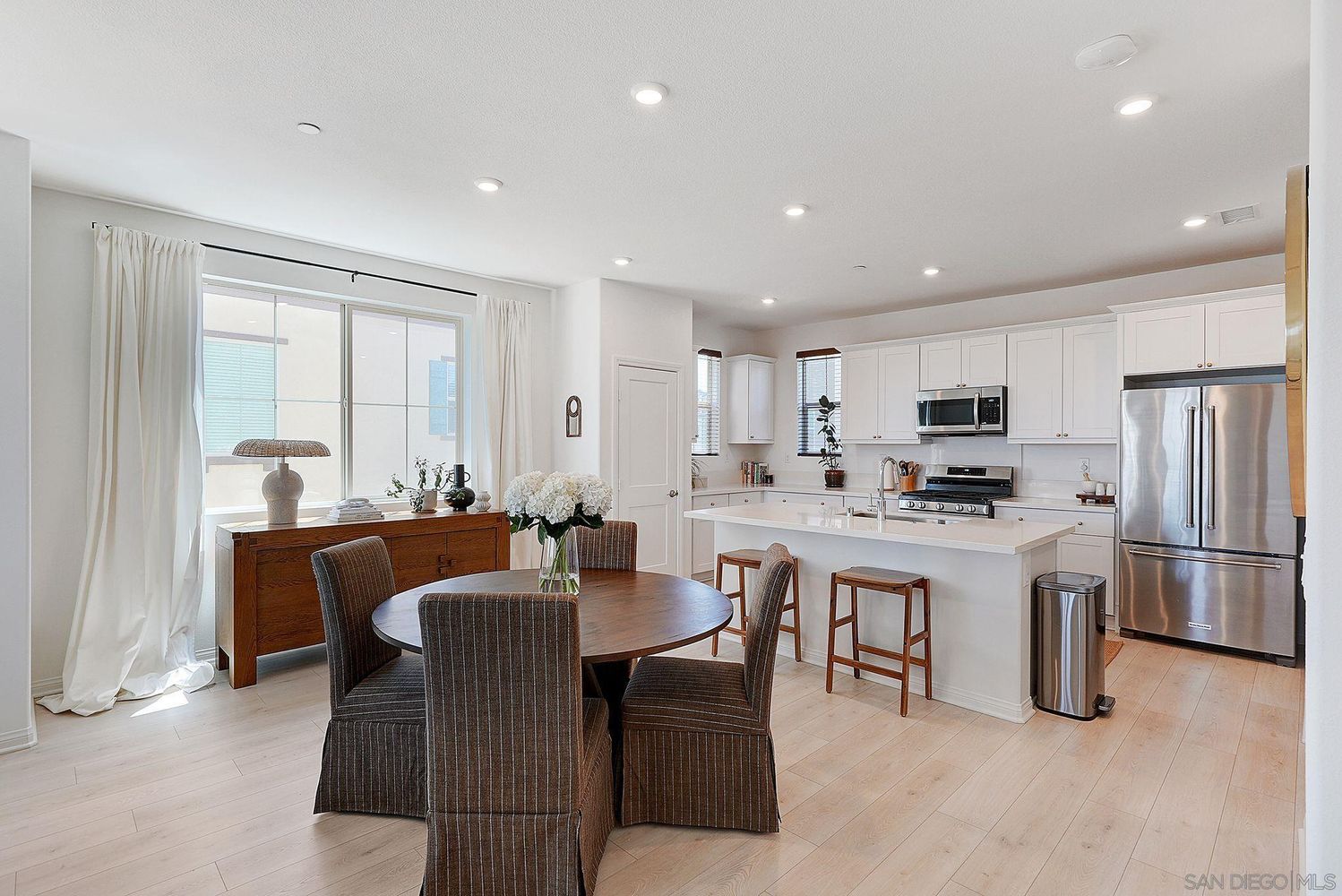
If you’re considering buying or selling a home in Oceanside, connect with local real estate expert Kathleen Moen. With a deep understanding of the San Diego County market and a passion for helping clients, Kathleen is your trusted choice for real estate in Oceanside – take a look at her transactions in Oceanside below:
Contact Kathleen today to learn more about available properties and how to make Oceanside your next home.