Category: Uncategorized
When buyers are shopping for a mortgage, it’s easy to focus on one thing: interest rate.
Who can blame them?
If one lender advertises a lower rate, lower fees, or promises to close faster than everyone else, it seems like an easy decision.
But after hundreds of real estate transactions, I’ve learned that a lender’s true value isn’t measured by the rate they advertise.
It’s measured by what happens when the transaction gets complicated.

Looking Beyond the Marketing
Recently, I worked on a transaction in which the buyer chose to finance through Tomo Mortgage after being attracted by many of the benefits promoted on the company’s website, including competitive rates, no lender fees, fast approvals, digital convenience, and quick closings.
Those are attractive promises, and I understand why many buyers would consider them.
However, every buyer should remember one important fact:
A mortgage isn’t just a financial product. It’s a service.
And the quality of that service can determine whether your transaction succeeds or fails.
A Real-World Example
The experience described below reflects one transaction that I personally worked on in San Diego. I can’t speak to every loan Tomo Mortgage handles or every customer’s experience. I can only share what occurred during this escrow.
The first indication that problems might arise actually occurred before escrow even opened.
When a listing agent receives multiple offers, it’s common practice to call each lender to verify financing, discuss the strength of the buyer’s qualifications, and gain confidence that the lender can successfully close the transaction.
These conversations happen every day in our industry and often influence whether a seller accepts one offer over another.
In this case, the listing agent struggled to reach the lender despite multiple attempts.
Phone calls were not returned.
Emails went unanswered.
Fortunately due my experience and communication and perhaps a bit of luck, the offer was still accepted.
Had the seller or listing agent decided to move onto another offer because they couldn’t establish confidence in the financing, my buyer could have lost the home before escrow even began.
Unfortunately, communication challenges continued with our lender throughout the transaction.
During the length of the transaction, emails, texts, and phone calls often went unanswered. It felt as though the loan was being relegated to the “I’ll get to it eventually pile” rather than a transaction involving real people who needed and deserved timely communication.
Important information was frequently not shared until deadlines were quickly approaching or had unfortunately already passed. Several underwriting documents that could have been easily obtained through simple communication with the agent, escrow, or title were not requested clearly or in a timely manner, creating unnecessary last-minute pressure to meet contingency deadlines.
As timelines tightened, it became increasingly difficult to get clear and accurate updates. With multiple contacts assigned to the loan, no one seemed able to provide straightforward answers about what was needed or where the loan stood. The lender’s repeated delays and failure to communicate transformed what should have been an exciting and celebratory milestone into an experience marked by frustration, uncertainty, and avoidable complications.
This lack of communication created doubt, stress, and unnecessary risk for everyone involved, ultimately putting the buyer’s purchase in jeopardy. As a result, we had to agree to pay the seller a per diem for each day beyond the original close of escrow date. This additional cost had the potential to offset any savings the buyer may have gained by choosing Tomo in the first place.
Could those issues have ultimately been avoided?
Most likely.
But that’s not really the point.
The point is that consistent communication and proactive problem-solving often prevent situations like this from becoming emergencies in the first place.
Why Communication Matters
A lender’s job is far more than collecting documents and issuing loan approvals.
A GREAT LENDER!!!!
- Manages expectations.
- Communicates frequently.
- Identifies potential problems early.
- Keeps everyone informed (this one is huge).
- And helps protect one of the largest financial investments most people will ever make.
When communication breaks down:
- Buyers become anxious.
- Sellers begin questioning whether the transaction will close.
- Listing agents lose confidence.
- Escrow is left waiting.
- Deadlines are missed.
And in competitive markets, those issues can easily cost someone their dream home.
Reputation Matters
Here’s something many buyers don’t realize.
Real estate professionals talk.
Listing agents remember which lenders consistently communicate, close on time, and solve problems.
They also remember lenders whose transactions have been difficult.
When a seller receives multiple offers that are otherwise very similar, the lender attached to the offer can absolutely become a deciding factor.
If a listing agent has previously experienced repeated communication problems or failed closings with a particular lender, they may advise their seller that another offer—even one with a slightly lower purchase price—presents less overall risk.
In other words, your lender’s reputation can influence whether your offer is accepted before negotiations even begin.
That’s not intended to punish buyers.
It’s simply a matter of helping sellers choose the offer that appears most likely to reach the closing table.

What a Great Lender Looks Like
This experience reinforced why I continue to recommend mortgage professionals like Mark Feder who is one of my preferred lenders; although, I have several others that I have also worked with and had great experiences with.

A great lender answers the phone.
Returns emails and text messages promptly.
Communicates honestly—even when the news isn’t perfect.
Explains complex financing in language buyers actually understand.
Alerts clients and agents to potential issues before they become emergencies.
And most importantly, provides the confidence needed to make important contractual decisions, including whether it is appropriate to remove loan contingencies.
Those qualities don’t always show up on a rate sheet. But they often determine whether a transaction closes smoothly or becomes unnecessarily stressful.
Final Thoughts
Everyone wants a competitive interest rate.
Everyone wants lower fees.
But the lowest advertised cost doesn’t always produce the lowest overall cost if delays, uncertainty, or financing issues place the transaction at risk.
When choosing a lender, ask yourself one question:
If something unexpected happens, who do I want standing beside me?
Because buying a home isn’t just about getting a loan.
It’s about successfully getting to the closing table.
Click the above link to see my Google Reviews and connect with me.
Kathleen Moen, Compass Real Estate
CALDRE: 02087478
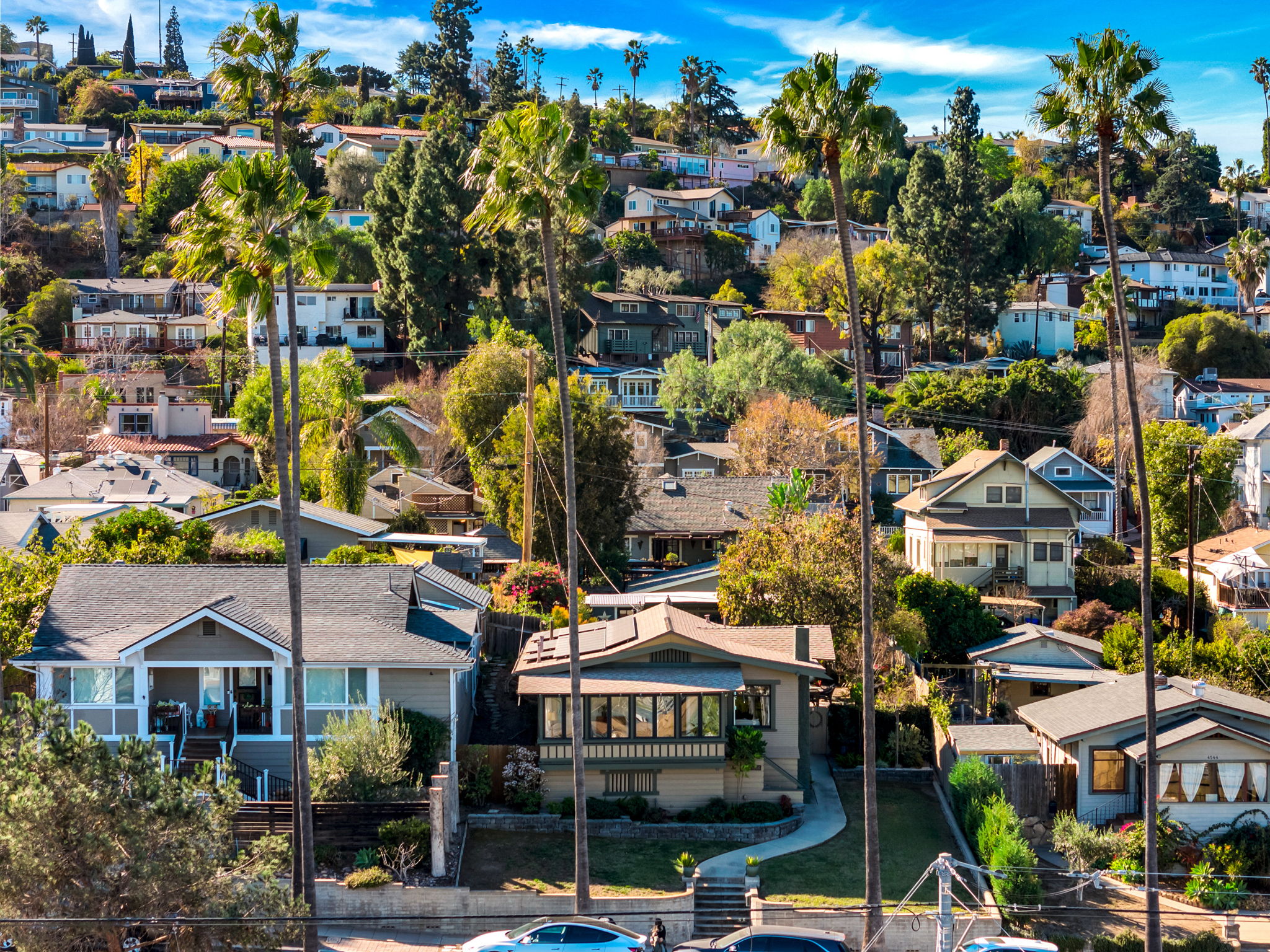
So what can someone expect to be finding when looking for a home in San Diego at around a $900K price point?
First of all — $900,000 is a significant amount of money. It’s something anyone should be proud to say they’ve worked hard, saved, and positioned themselves to invest in. Whether you’re a first-time homebuyer or this is your second or third purchase, $900K represents years of discipline and commitment.
The hard part about San Diego? Even with a lump sum like $900,000, you may need to adjust expectations.
Currently in San Diego, the median home price — depending on the source — is hovering in the mid to high $900,000s. According to Redfin’s San Diego Housing Market Trends, home prices here frequently rank in the top 10 most expensive markets nationally, outpacing national averages by roughly 131%. We remain one of the most competitive and desirable markets in the country.
If you were thinking your $900K would buy you a single-family home on the beach… well, unfortunately, those days may be behind us — miles behind us at this point — unless you find that unicorn.
But here’s the good news:
You can still find great homes, in great neighborhoods, if you broaden your view.
If Your Heart Is Set on the Beach

If coastal living is your dream, you can still get close — but you’ll need to shift expectations.
In areas like:
- Pacific Beach
- Ocean Beach
- Mission Beach
$900K is far more likely to buy you:
- A smaller condo
- An older unit
- Limited square footage
- HOA dues (sometimes substantial)
You’re probably not getting a large single-family home with a big yard steps from the sand. What you are getting is location — and in real estate, location drives long-term value.
You may find 600–1,000 square feet in these areas at this price point. Smaller footprint, bigger lifestyle.
Move Central = More Options

As you start moving more central, you open up a whole different world of possibilities.
Neighborhoods like:
- North Park
- Serra Mesa
- Allied Gardens
- University Heights
At $900K, you might find:
- 750–1,400 sqft single-family homes
- Older homes with character
- Smaller lots
- Fixer opportunities
If you’re in a “cool and hip” neighborhood, square footage will likely be on the smaller side. But these areas offer walkability, restaurants, nightlife, and strong long-term appreciation potential.
And historically speaking, once you’re in the San Diego market — you’re building equity in one of the strongest real estate regions in the country.
Go East or Rural = More Bang for Your Buck
If you’re willing to go further out, you’ll typically gain:
- Larger homes
- Bigger yards
- More outdoor living space
- Newer construction (in some areas)
Communities like:
- La Mesa
- Santee
- Alpine
have seen an explosion of buyers over the last few years.
La Mesa
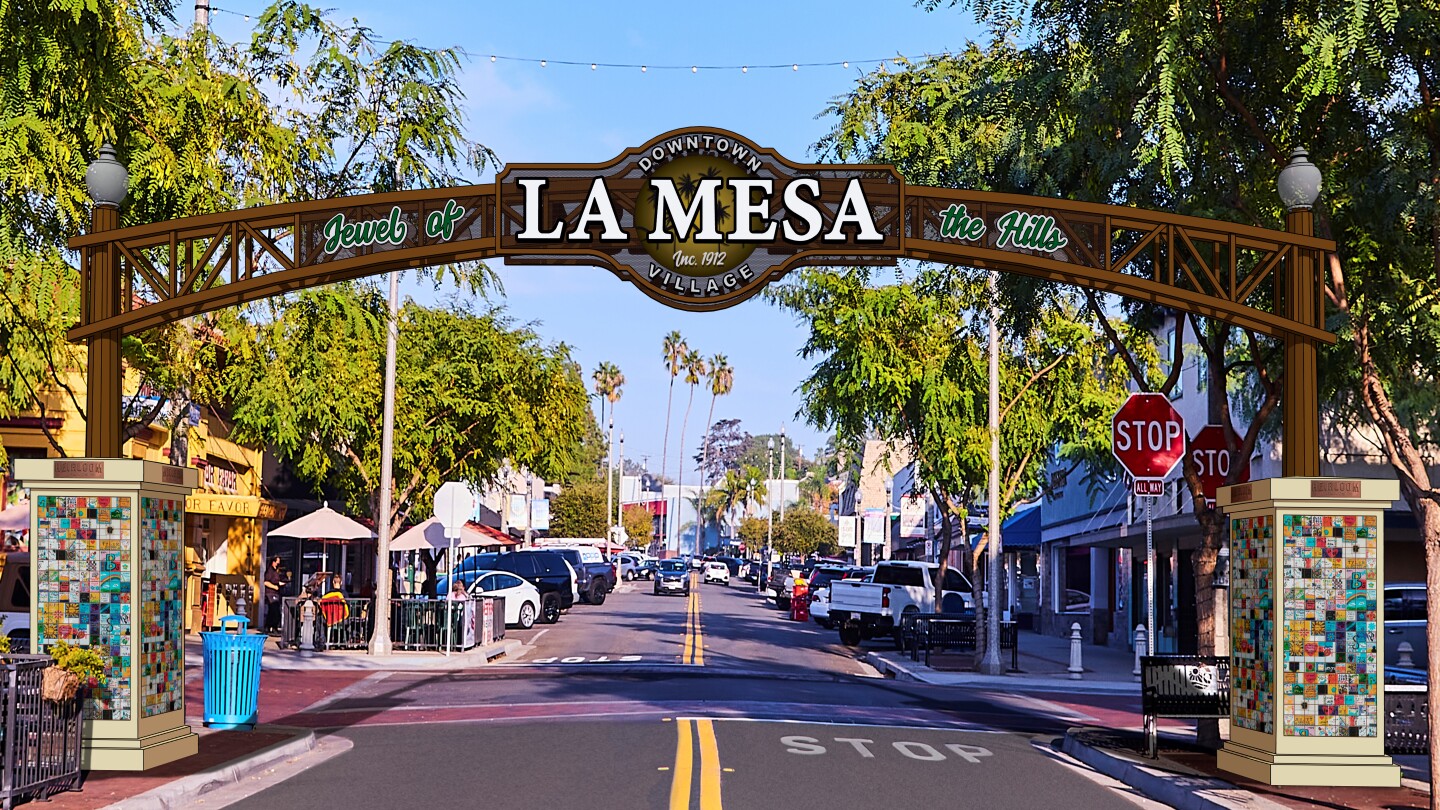
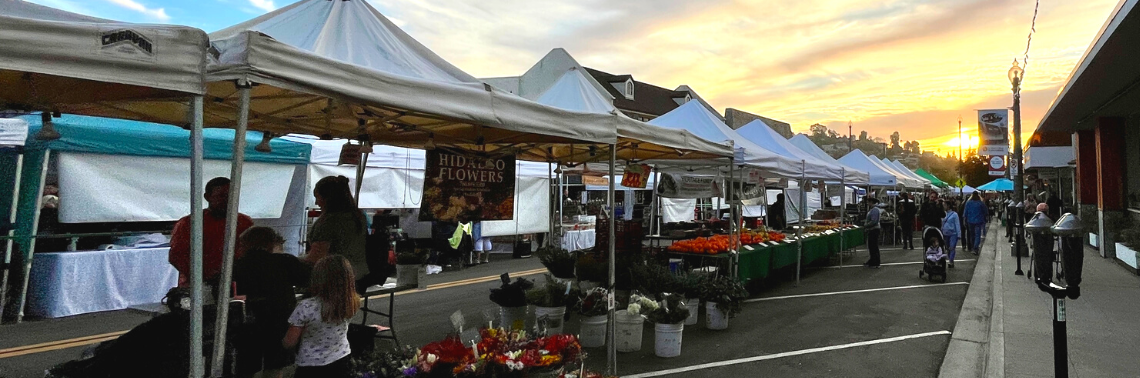
La Mesa has experienced a revitalization of its historic downtown — now a popular destination for dining, boutique shopping, and the lively Friday evening Farmers Market. Buyers who were priced out of central San Diego have brought fresh energy into the community.
Santee

Santee continues to grow, with increased development, retail expansion, and community investment. Buyers here are often trading commute time for square footage.
Alpine

Alpine offers a more rural lifestyle — bigger lots, scenic views, and more breathing room. What you lose in proximity to the coast, you gain in livable space and privacy.
It’s a give and take.
What You Can Expect at $900K
Across much of San Diego County, you can expect:
- Older homes vs. new builds
- Smaller square footage in desirable areas
- Cosmetic upgrades needed
- Competitive offers in hot neighborhoods
But here’s something important:
Paint, flooring, lighting, and thoughtful updates can completely transform a home.
An older home with good bones can become something wonderful with a little sweat equity. Sometimes the best opportunities are the homes that don’t photograph perfectly online.
The Shift We’re Seeing
I expect we will continue to see communities that were once considered “on the fringe” become the new popular buying spots as prices grow throughout the county. This is a pattern we’ve seen repeatedly in San Diego’s real estate history.
Buyers expand outward.
Communities revitalize.
Values follow.
My Advice to Buyers
As you look around San Diego for your next home:
- Don’t rule out areas — explore them all.
- Spend time in neighborhoods at different times of day.
- Look beyond cosmetic flaws.
- Think long-term value.
Most importantly, work with an agent you trust.
You want someone who doesn’t care whether you buy today, next month, or next year — but cares that you buy what’s right for you when it’s right for you. Someone invested in your best interest, not just the transaction.
San Diego is one of the most desirable markets in the country. $900K may not buy what it once did — but it still opens the door to homeownership in an incredible place to live.
And once you’re in?
You’re in.
If you would like me to to send you a list of homes in San Diego or the surrounding area please feel free to reach out. https://www.compass.com/agents/kathleen-moen/

There’s a lot of noise about mortgage rates. The Fed this… Inflation that… Recession fears… It’s impossibly confusing sometimes. So let’s break this down in the simplest way possible.
1. Mortgage rates are mostly tied to the 10-Year U.S. Treasury Bond
Even though most mortgages are written as 30-year loans, the average homeowner keeps their mortgage for about 10 years before selling or refinancing.
So investors compare:
- “Should I lend my money to a homeowner for about 10 years?”
- Or “Should I lend my money to the U.S. government for 10 years?”
Because the U.S. government has never defaulted on its debt, lending to it is considered one of the safest investments in the world. That’s why the 10-year Treasury yield becomes the main benchmark for mortgage rates.
This explanation is summarized from the December 1, 2025 episode of the BiggerPockets Podcast with Dave Meyer. Episode: Mortgage Rate Predictions – Dec. 1, 2025
2. What Is a “Spread”?
Investors are not going to lend to a homeowner at the same rate they lend to the U.S. government. Homeowners are riskier. So they add what’s called a spread.
Historically, the spread between the 10-year Treasury and mortgage rates averages about 1.5 to 2.5%.
Example:
- 10-Year Treasury Yield = 4%
- Average Spread = 2%
- Mortgage Rate ≈ 6%
That’s essentially how mortgage rates are set.

What Moves the 10-Year Bond?
According to the BiggerPockets breakdown, two major forces move bond yields (which then move mortgage rates):
1. Inflation
2. Recession Risk
Here’s the simple version:
When Inflation Goes Up → Mortgage Rates Tend to Go Up
Why?
If an investor earns 4% on a bond but inflation is 5%, they’re actually losing money in purchasing power.
So investors demand higher yields to protect themselves.
Higher bond yields → Higher mortgage rates.
When Recession Risk Goes Up → Mortgage Rates Tend to Go Down
When the economy looks shaky, investors move money into safer assets — like U.S. bonds.
More demand for bonds allows the government to pay lower yields.
Lower bond yields → Lower mortgage rates.
Simple Cheat Sheet
- Inflation ↑ → Bond yields ↑ → Mortgage rates ↑
- Recession fears ↑ → Bond yields ↓ → Mortgage rates ↓
That’s the core relationship.
What About The Fed and Rate Cuts?
The Federal Reserve controls the Federal Funds Rate, which directly affects:
- Credit cards
- Short-term loans
- Home equity lines of credit (HELOCs)
- Adjustable-rate products
It does not directly control 30-year fixed mortgage rates.
However…
If the Fed cuts rates because inflation is cooling or the economy is slowing, that can indirectly influence bond markets — which then influence mortgage rates.
So Fed cuts matter — just not in the direct way most headlines suggest.
Some Reassurance
Conventional mortgage rates today are meaningfully lower than they were this time last year. That’s welcome news for buyers and homeowners considering refinancing.
That said — no one (and I mean no one) can predict exactly where rates will be next month or next year.
Many well-informed analysts, including those discussed on the BiggerPockets episode, believe rates may not move dramatically over the next year — but of course, markets can always surprise us.
The Big Picture
According to the January 23, 2026 Housing Market Update from the BiggerPockets Podcast, the housing market nationwide — including San Diego — is showing signs of stabilization, not a crash.
Here’s what that means in plain English:
Home Prices: Mostly Flat, Not Falling
- Prices are holding steady in high-demand markets like San Diego
- Some neighborhoods may see small dips, but no widespread price collapse
- Well-priced homes are still selling, especially in desirable coastal and central areas
Translation:
San Diego prices aren’t skyrocketing anymore, but they’re not falling off a cliff either.
Inventory: Slowly Increasing
- More homes are coming on the market compared to the past two years
- Inventory is still below pre-2020 levels
- Buyers have more options, but sellers still have leverage if priced correctly
Translation:
Buyers finally get choices — sellers can’t overprice and expect instant offers.
Mortgage Rates: Elevated but Stabilizing
- Rates remain higher than the 2020–2021 era
- The BiggerPockets update notes that rate volatility is calming
- Buyers are adjusting expectations and using rate buydowns and negotiation strategies
Translation:
Rates are no longer shocking buyers — they’re planning around them.
Buyer & Seller Behavior
- Buyers are more patient and analytical
- Sellers must focus on pricing, condition, and marketing
- Homes that are updated and priced right are still moving
Translation:
This is a strategy market, not an emotional one.
Bottom Line for San Diego
Based on insights shared on the BiggerPockets Podcast (Jan 23, 2026):
- No crash signals
- A calmer, more balanced market
- Smart opportunities for prepared buyers and sellers
Market insights summarized and credited from the January 23, 2026 Housing Market Update episode of the BiggerPockets Podcast. This post reflects a general interpretation of their discussion and is not a direct transcript.
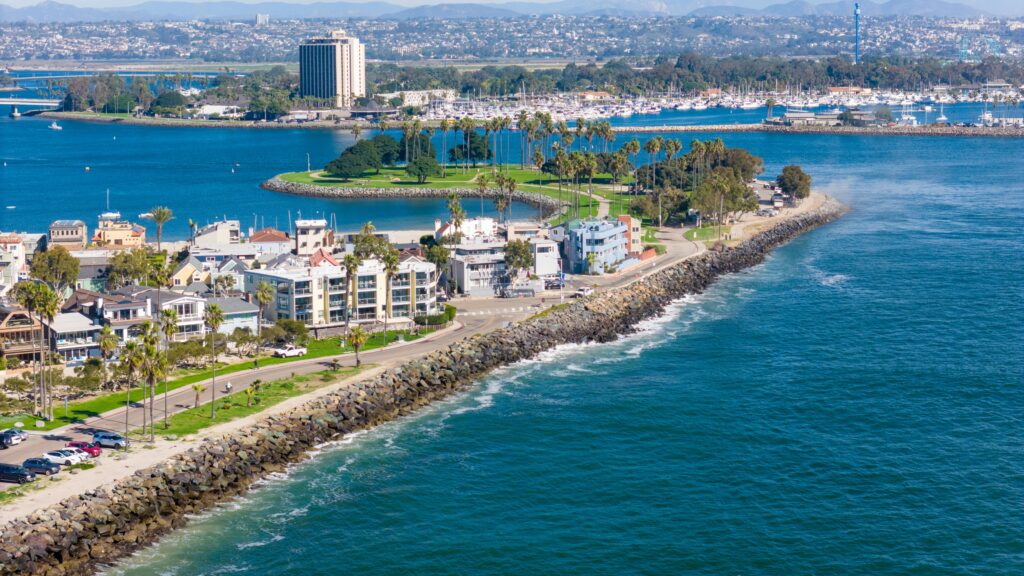

South Park packs a lot into a small, tree‑lined pocket just east of downtown San Diego. It blends early-1900s charm with a lively main street, easy park access, and a laidback, relaxing feel. If you want an urban village where you can walk to coffee, craft beer, and have plenty of off‑leash dog time, it is worth a close look.
Location matters here. South Park sits next to Balboa Park, and within the Greater Golden Hill planning area, so you get quick access to museums, trails, and downtown without living in the thick of it. The tradeoffs are typical of central San Diego: higher housing costs than some nearby areas, limited parking on popular blocks, and modest transit depth compared with trolley corridors.

TL;DR
- South Park is a historic, walkable neighborhood bordering Balboa Park with a strong small‑business scene and friendly vibe.
- Housing is pricier than Golden Hill but less than some Uptown hot spots; recent home values typically fall in the low $1M range, depending on condition, lot size, and historic status.
- Daily life favors walking and biking; bus Route 2 links South Park to downtown and North Park, with more rapid options along Park Boulevard nearby.
- Families like the IB school options that continue through middle and high school in the San Diego Unified.
- Downsides include tight street parking near 30th and Fern, competitive homebuying, and city noise typical of central neighborhoods.
Why People Consider South Park
Finding a South Park property that balances vintage charm with modern upgrades requires a patient search and a quick response to new listings. Gaining a clear perspective on local property values and zoning laws ensures your move aligns with your lifestyle needs and long-term financial goals.
This article outlines the distinct benefits of the community to help you decide if it is the right fit for your future. Working with a local San Diego real estate professional helps buyers navigate South Park’s inventory, historic district rules, and competitive offer environment with confidence.
Historic Character Meets Urban Convenience
South Park developed as an early streetcar suburb, and the city designated a large portion as the South Park Historic District. You will find Craftsman and Spanish‑style homes, bungalow courts, and quiet residential streets feeding into a compact commercial core along 30th Street and Fern Street.
That main drag is lined with cafes, restaurants, boutiques, and services, with community Walkabout nights that keep it social and low‑key rather than flashy.
Balboa Park on Your Doorstep
Living next to Balboa Park is a game-changer. Trails, gardens, the zoo, and cultural venues are minutes away, and dog owners especially love the five‑acre Grape Street Dog Park on the neighborhood’s western edge. The park’s free tram (operating on limited routes and schedules) and multiple bus stops around Park Boulevard make car-light trips easier.
Getting Around Without a Car
South Park is walkable by design, and biking is getting better.
- Bike access continues to improve through neighborhood greenways and connections to the Pershing Bikeway, which links North Park and downtown.
- For transit, MTS Route 2 runs Downtown-South Park-North Park.
- Route 7 along Park Boulevard adds frequent north-south service to Balboa Park and downtown connections.
- It’s not a trolley hub, but for central errands, the mix works.
Schools and Learning Pathways
Families are drawn to International Baccalaureate (IB) options that start in elementary and continue through high school.
- McKinley Elementary is an IB World School.
- Albert Einstein Academies offer IB Primary Years and Middle Years programs with campuses nearby. Enrollment is charter-based and subject to application and lottery availability.
- The IB pathway can continue at Roosevelt International Middle School and San Diego High School’s IB Diploma Program downtown, subject to district policies and enrollment rules.
Safety and Noise
South Park sits in the San Diego Police Department’s Central Division. Crime varies block by block, as in any central neighborhood.
The city’s public dashboard lets you compare South Park trends to nearby areas before you sign a lease or make an offer. Expect normal city noise near busier streets and quieter evenings on interior blocks.

Housing, Costs, and Nearby Alternatives
Prices move, but the broad picture is consistent: South Park is competitive for buyers and often commands a premium over immediate neighbors to the south and east. Use the table to compare three side‑by‑side choices that many shoppers weigh.
| Area | Average Home Value (recent estimates) | Walk Score (Neighborhood) | Everyday Feel | Transit Snapshot | Park Access |
| South Park | $1,120,012 | 73 | Historic homes, small‑scale shops, calm nights | Route 2; near Rapid 215/Route 7 on Park Blvd; bike links | Immediate access to Balboa Park; Grape Street Dog Park |
| North Park | $926,482 | 86 | Busier nightlife, more venues, and dining density | Routes 1, 2, 6, 11, Rapid 215 | Easy Balboa Park access north of the park |
| Golden Hill | $748,307 | 81 | Quieter, eclectic mix, value relative to South Park | Route 2 plus downtown trolley access nearby | Close to Balboa Park canyons and trails |
Notes: Walk Score reflects neighborhood‑level scores, so individual blocks may vary. Values are neighborhood medians and shift with the market.
What Daily Life Costs Feel Like
Learning these cost-of-living nuances helps you set a realistic expectation for your monthly discretionary spending in this specific San Diego pocket.
- Groceries and essentials are covered by neighborhood markets and specialty shops nearby, with larger grocery and retail options a short drive away.
- Dining leans local and craft, including coffee, bakeries, pizza, and taprooms along 30th and Fern, plus easy hops to North Park’s bigger lineup.
- Parking can be tight around the commercial core and during Walkabout events. Plan on using a mix of street parking, walking, and biking.
Who Thrives in South Park
Recognizing these key profiles allows you to see yourself in the community before you commit to a long-term move.
- If you value car-light living: Many residents handle daily errands on foot or by bike and supplement with transit and ride-hail, though most households still keep at least one car for regional trips. The Route 2 bus plus connections on Park Boulevard cover most central trips. The Pershing Bikeway and 30th Street improvements make short rides comfortable.
- If you want a parks-first lifestyle: Balboa Park is your backyard. Morning dog runs at Grape Street, after‑work trail loops, and museum days with visiting friends are all low‑effort. It is one of the few places in San Diego where everyday park life is truly practical.
- If you want character homes: Buyers who want original details gravitate here. The historic district status can add pride of place, though exterior changes may require additional review, longer timelines, and closer coordination with the city.
Examples
These scenarios highlight the trade-offs and advantages of the community, making the transition feel more tangible and predictable.
Ending the Remote Workday With Walkable Social Hubs
A couple renting a 1‑bedroom chooses South Park for its quiet streets and walkable coffee options. One bikes the Pershing Bikeway to a downtown co‑working space twice a week; the other walks to Grape Street with their dog daily.
They skip owning a second car, splitting transit and ride‑hail for airport runs and Padres games, and plan to buy in Golden Hill later to stretch dollars while staying close.
A Pedestrian-Friendly Layout for Afternoon Strolls
Two parents with a preschooler and a dog move from a larger suburban rental to a smaller South Park bungalow. They like that McKinley Elementary and Einstein’s IB programs are close and that Balboa Park’s playgrounds and trails are minutes away.
Weeknights are on foot along Fern Street, weekends include the zoo by bus, and visiting grandparents use the free park tram when they join museum days.
Actionable Steps / Checklist
Following a structured set of tasks helps you vet the neighborhood thoroughly and avoid common home-buying pitfalls.
- Walk the main corridors: Stroll 30th and Fern on a weekday evening and a weekend afternoon to gauge noise, parking, and foot traffic.
- Test your commute: Ride Route 2 or bike Pershing on a typical workday, both directions; time the door‑to‑door trip.
- Check the city crime dashboard: Compare South Park to Golden Hill and North Park over the past 6 to 12 months by category.
- Verify school pathways: Confirm IB programs and boundaries for McKinley, Roosevelt, and San Diego High if that matters for your timeline.
- Price reality check: Review current home values for South Park and nearby areas, then scan active listings to see what your budget buys.
- Parking reality check: If you drive, visit prospective blocks after 6:00 PM and during a South Park Walkabout to see true parking conditions.
- Confirm remodel rules: If you plan exterior changes on a historic‑district property, read the city’s guidance before you buy.

Glossary
Having this specialized vocabulary at your disposal makes it easier to communicate with professionals and interpret market reports accurately.
- Walk score: A number from 0 to 100 estimating how easily you can do daily errands on foot from a given area.
- Historic District: A city‑designated area where buildings and streetscapes have a protected historic character; exterior changes may face extra review.
- Protected bikeway: A bike lane physically separated from car traffic with posts, curbs, or parked cars for added safety.
- Rapid 215: A frequent MTS bus line running primarily along Park Boulevard and El Cajon Boulevard, providing faster north-south connections between downtown and Mid-City areas, as well as the San Diego State University.
FAQ
How expensive is South Park compared to nearby neighborhoods?
Typical home values in South Park are around the low $1M range, with North Park and Golden Hill generally trending lower. Rents track central San Diego norms and vary by block and unit type.
Is South Park safe?
South Park is a central San Diego neighborhood with mixed usage and typical urban activity. Use the San Diego Police Neighborhood Crime Summary Dashboard to compare recent trends, zoom to your block, and see categories that matter to you.
What is parking like in South Park?
Expect limited street parking near 30th and Fern, especially on weekends and during Walkabouts. Interior streets are easier. If parking is essential, prioritize homes with off‑street options.
Can I live in South Park without a car?
You can conveniently join many South Park residents who don’t have a car. Route 2 links South Park to downtown and North Park, Rapid 215 and Route 7 run along Park Boulevard, and the Pershing Bikeway connects bikes to downtown. For regional trips, rideshare and car‑share fill the gaps.
Are there good schools close by in South Park?
There are several good schools in South Park. McKinley Elementary is an IB World School, while Albert Einstein Academies offer IB programs with an elementary campus in South Park and a middle school nearby. The IB path can continue at Roosevelt International Middle School and San Diego High School’s IB Diploma Program.
Final Thoughts
If you picture a front porch, leafy streets, and regular walks into a compact main street, South Park delivers. You pay for charm and location, but you also gain everyday access to Balboa Park, credible car‑light options, and a community that shows up for local businesses.
If those are your must-haves, South Park is worth evaluating carefully with up-to-date market data and neighborhood-specific insight. As a local real estate agent in San Diego, I can help prioritize which of these steps matter most based on your budget, timing, and risk tolerance.
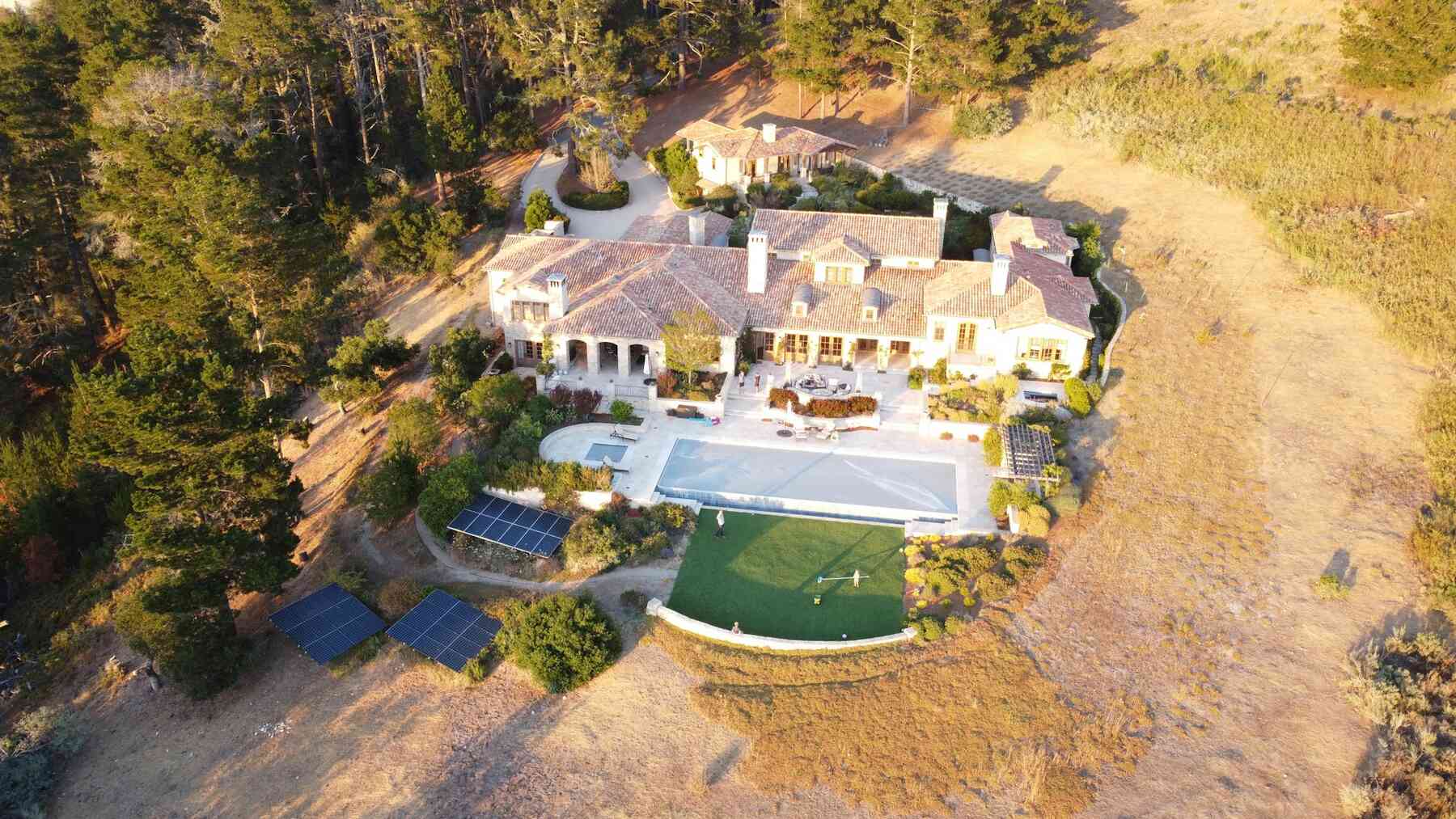
Carmel Valley is a master-planned community in northwestern San Diego along the I-5 corridor, just inland from Del Mar and Torrey Pines. It offers newer homes, excellent schools, and quick access to the coast and major job centers.
If you want suburban ease with parks, trails, and retail plazas you can actually use, it delivers all this and more. But if urban nightlife or vintage bungalows are what you’re looking for, this may not be the best fit for you.
Here is a clear, resident‑friendly look at the local lifestyle, schools, and infrastructure to help you decide if Carmel Valley is a good place to live. With my expert real estate guidance and neighborhood insights, you can turn that vision into a seamless move.
TL;DR
- Carmel Valley is a great fit for families and professionals who value top public schools, newer housing, and easy freeway access.
- Daily life is comfortable and convenient, with community parks, recreation centers, and open‑space canyons for hiking and biking.
- Driving is the default. Transit exists but is limited compared with urban San Diego.
- Housing and overall costs trend higher than the city average, reflecting the area’s demand and amenities.
- Safety, schools, and services are strengths; nightlife and old‑town charm are not the draw.
Is Carmel Valley a Good Place to Live?
Prospective residents often face the dilemma of balancing the high cost of living against the competitive nature of the local housing market. Additionally, navigating the distinct microclimates and varied neighborhood personalities can make it difficult to pinpoint the exact area that fits a specific lifestyle.
Gaining a clear perspective on these local nuances helps you make a confident decision and choose a home that fits your long-term plans. If you want help comparing Carmel Valley pockets, pricing, and commute tradeoffs, I can guide your search and negotiation from start to finish.
What and Where is Carmel Valley?
Carmel Valley is a master‑planned community built largely from the 1980s onward on mesa tops, with canyons preserved as open space. It sits along the I‑5 corridor, bordered by Del Mar, Torrey Pines, Torrey Hills, Pacific Highlands Ranch, and Los Peñasquitos Canyon County Preserve.
The plan centered housing around community parks and neighborhood retail, which is why daily errands feel straightforward. City facilities include a library, fire stations, and a police substation serving the area. City sources place the community at roughly 39,000 residents.
Carmel Valley balances suburban calm with proximity to coastal jobs in Sorrento Valley and Torrey Pines, plus the University of California San Diego. That shortens many North County and Golden Triangle commutes compared with living farther south or east.
Schools and Education Options
Public schools are a headline reason families choose Carmel Valley.
- Elementary schools are primarily in the Del Mar Union School District, with portions served by the Solana Beach School District.
- Middle and high schools are in the San Dieguito Union High School District.
- In practice, many residents attend Carmel Valley Middle School and then attend high school within the San Dieguito Union High School District based on boundary and the district’s selection/choice process.
- Canyon Crest Academy may be available through that choice process (capacity limits can apply), so confirm eligibility and placement rules directly with the district before you sign a lease or submit an offer.
District boundary and option‑area maps change, so confirm the address‑to‑school lookup with the districts before you sign a lease or offer.
Outdoors, Parks, and Weekend Fun
If you like being outside, then you can use the local network of canyons and parks, and have plenty of fun in Carmel Valley.
- Los Peñasquitos Canyon Preserve lines the southern edge with year‑round trails and shaded creek sections.
- Gonzales Canyon and Carmel Mountain Preserve add neighborhood loops and connectors.
- Inside the community, the Carmel Valley Recreation Center and Ocean Air Recreation Center run youth and adult programs, and the Carmel Valley Skate Park is popular with teens.
- The coast is close. Torrey Pines State Beach and Reserve are a quick drive, and Torrey Pines Golf Course sits just southwest.
Getting Around: Driving, Transit, and Bike Paths
Most residents drive. The I‑5, I‑805, and SR‑56 are minutes away, which is the point of living here for many commuters. In July 2025, Caltrans opened new HOV lanes on SR-56 between El Camino Real and Carmel Valley Road to help peak-hour traffic flow and support regional mobility. Confirm the current status of these lanes as part of your commute planning.
The COASTER Commuter Rail stops at Sorrento Valley Station, and weekday intermittent shuttle or ‘first/last-mile’ “COASTER Connection” services may be available depending on current North County Transit District service levels. Check NCTD schedules before planning transit-based commutes.
There is also a continuous bike path along SR‑56, with a connector to the North Coast route near I‑5.
Expect limited late‑night transit and plan on driving for most errands. Cycling to the beach is realistic on weekends if you are comfortable with hills and multi‑use paths.
Housing, Cost, and Lifestyle Fit
Carmel Valley is largely single‑family homes and townhomes, plus a growing mix of modern apartments near retail. One Paseo and Del Mar Highlands Town Center bring restaurants, groceries, fitness, and services into one walkable hub.
Homes tend to be newer than the San Diego average, with more open‑plan layouts, central air, and attached garages. Prices and rents are correspondingly higher. Most people choose Carmel Valley for schools, amenities, and time savings rather than pure value per square foot.
For buyers, I can walk you through offer strategy, contingencies, and negotiation so you stay competitive without overpaying.

Safety and City Services
Carmel Valley is served by the San Diego Police Department’s Northwestern Division and nearby fire resources. As with any city service, staffing and coverage details can change, so check current information if it’s a deciding factor.
The city’s Neighborhood Crime Summary Dashboard lets you see recent incidents by neighborhood and compare trends. For those living near canyons, the city’s fire‑hazard maps and Ready, Set, Go! preparedness guide are worth a look. Brush‑management rules and home‑hardening tips can affect maintenance and insurance.
Deciding on Carmel Valley: How Carmel Valley Measures Up
Evaluating these pros and cons helps prospective buyers determine if the area’s modern amenities and top-tier schools outweigh the higher costs and suburban reliance on vehicles.
| What You Get | What You Give Up |
| Highly rated public schools with clear feeder patterns and an option process for CCA | Older‑neighborhood charm and historic architecture |
| Quick access to I‑5, SR‑56, and nearby job hubs | Heavy reliance on driving; limited late‑night transit |
| Parks, recreation centers, skate park, and canyon trails | Lower walkability outside the core retail hubs |
| Newer housing stock and well‑kept streets | Higher home prices and rents than citywide averages |
| Short hop to beaches, Torrey Pines, and coastal trails | Peak‑hour freeway traffic and some edge‑of‑freeway noise |
Who Thrives Here
These are the core demographics that can help you determine if you can feel a sense of social belonging in the Carmel Valley community.
- Families who want high‑performing public schools, organized youth sports, and safe, simple routines.
- Professionals in biotech, software, health care, or finance with jobs in Sorrento Valley, Torrey Pines, or Del Mar Heights.
- Outdoorsy people who like after‑work canyon loops and weekend beach time.
Potential Friction Points
These insights can help you weigh the premium lifestyle benefits against practical daily hurdles, like traffic congestion or strict HOA regulations.
- Nightlife seekers will head to Del Mar, La Jolla, North Park, or Little Italy.
- Budget‑first movers can find more space or lower costs inland.
- If you strongly prefer non-HOA living or older homes with historic character, you may prefer other parts of San Diego (and it’s worth comparing specific streets and subdivisions, since HOA rules vary by community).
Examples
Seeing these practical applications clarifies how different lifestyle needs are met by the specific offerings of this neighborhood.
Offsetting Higher Rent Through Reduced Commuting Costs
A two‑teacher household with a preschooler and a second grader chooses Carmel Valley for elementary schools and short freeway hops to campuses in other top neighborhoods like University City and Encinitas.
They use Ocean Air Recreation Center for after‑school programs, spend Saturdays biking the SR‑56 path, and drive to the beach on Sundays. The higher rent is offset by fewer hours in traffic and no need for a second commuter car during the week.
Seamless Career Mobility and After-Work Flexibility
A biotech engineer working in Torrey Pines splits days between office and home. Living in Carmel Valley trims the commute to 10-20 minutes off‑peak and keeps evenings flexible for youth sports at Carmel Valley Community Park.
When a role opens in Sorrento Mesa, the COASTER to Sorrento Valley plus a Coaster Connection shuttle becomes a no‑stress backup during heavy rain or summer traffic.
Actionable Steps / Checklist
A structured list ensures that prospective residents stay organized while evaluating properties and local amenities against their personal priorities.
- Drive the commute you will actually take, at your real times, on both I‑5 and SR‑56.
- Use the districts’ address locators to confirm current school assignments and any option‑area or open‑enrollment rules.
- Walk the retail cores at One Paseo and Del Mar Highlands to gauge your day‑to‑day fit.
- Check the city’s crime dashboard for recent incidents and compare them to other neighborhoods you are considering.
- If you back up to open space, review the city’s fire-hazard maps and preparedness guidance, and budget for brush management and defensible-space maintenance.
- Test weekend access to Torrey Pines State Beach and the SR‑56 bike path connector to see how you will use them.

Glossary
This resource levels the playing field for newcomers by explaining regional terminology and industry jargon used throughout this guide.
- Master‑planned community: A large area designed as a whole, where homes, parks, roads, and shopping are planned together.
- Open enrollment: A process that lets some students attend a different public school than their assigned campus if space allows.
- HOV lane: A freeway lane reserved for vehicles with multiple occupants or certain clean‑air vehicles to improve traffic flow.
- COASTER: The regional commuter train that runs between downtown San Diego and Oceanside with a stop at Sorrento Valley.
- SR‑56: State Route 56, the east‑west freeway connecting I‑5 and I‑15 just south of Carmel Valley.
- Open space preserve: Protected natural land with trails and habitat conservation, such as Los Peñasquitos Canyon Preserve.
FAQ
Is Carmel Valley safe?
Carmel Valley is widely regarded as a low‑crime, family‑oriented area. Review the city’s Neighborhood Crime Summary Dashboard for current, block‑level data.
How are the public schools in Carmel Valley?
Carmel Valley elementary schools are in the Del Mar Union or Solana Beach districts. Middle and high schools are in the San Dieguito Union HSD, with CCA available through a district open‑enrollment process.
Can I live in Carmel Valley without a car?
You can run many errands near One Paseo or Del Mar Highlands, but most residents drive in Carmel Valley. The COASTER and Coaster Connection help commuters tied to Sorrento Valley and UCSD.
How close is the beach to Carmel Valley?
Torrey Pines State Beach and Del Mar beaches are a short drive from Carmel Valley. Just plan for summer crowding and parking.
Are there good parks and trails in Carmel Valley?
The Carmel Valley community has multiple neighborhood parks, two recreation centers, a skate park, and direct access to Los Peñasquitos Canyon and nearby preserves.
Final Thoughts
If your priorities are schools, convenience, and clean suburban living with easy access to trails and the coast, Carmel Valley is an easy yes. If you want historic character, nightlife, or the city’s most affordable housing, consider looking elsewhere and visit on weekends to still enjoy what this neighborhood has to offer. The best way to decide is to drive your commute, walk the parks, and see a weekday evening in person.
If Carmel Valley is on your shortlist, I can help you tour efficiently and compare options to find the perfect home of your dreams.

With insider access to desirable home options in Encinitas, I help property owners avoid the mistake of committing to an area in Encinitas without fully understanding its market nuances. Discover the reasons why Encinitas is a good place to live, and how you can weigh in these factors for long-term benefits.
Is Encinitas a Good Place to Live?
Encinitas is an exceptional place to live, blending desirable factors into a high-quality lifestyle. Its appeal lies in its strong community atmosphere and abundant outdoor recreation. Award-winning education institutions, a rich culture and arts scene, and good regional economic access help justify the premium on its available market.

Understanding what makes Encinitas a great place to live empowers you to make confident real estate decisions. Take advantage of my real estate expertise and insider knowledge of the market trends and top Encinitas neighborhoods to make the best investment.
1. Quality of Life and Coastal Lifestyle
You don’t just move to Encinitas; you gain a lifestyle characterized by sun, surf, and community engagement.
Community Atmosphere
A strong community atmosphere is among the reasons that solidify why Encinitas is ranked 211 on the best places to live in the U.S. for 2025-2026.
- Community vibe and safety: Enjoy a relaxed, authentic, and highly walkable beach community with a low crime rate (safer than 30% of American cities).
- Strong civic culture: The friendly, small-town atmosphere features strong civic engagement, transparent governance, and local events.
- Quality of life: Residents benefit from a high quality of life with inviting public spaces, community-focused projects, and enhanced pedestrian safety measures.
Outdoor Recreation and Coastal Activities
The city’s prime location along the Pacific Ocean dictates a culture centered on health, wellness, and unparalleled access to the outdoors.
- Coastal life: A Mediterranean climate and celebrated beaches, like Moonlight State Beach, support daily surfing, swimming, and paddleboarding.
- Health and wellness focus: The climate encourages yoga, cycling, and hiking year-round, making it easy for families to balance activities with school/work life.
- Diverse outdoor access: Beyond the surf breaks, residents enjoy miles of trails, numerous parks, the San Diego Botanic Garden, and a thriving cycling scene.
2. Education, Culture, and Professional Proximity
Encinitas provides a robust environment for personal and professional growth, featuring top-ranked schools and a strategically positioned cultural and economic hub.
Top-Tier Education and Student Amenities
Encinitas is synonymous with educational excellence, featuring a school system that consistently outperforms state and national averages.
- Elite public schools: San Dieguito Union High School District (SDUHSD) is one of the highest-performing districts in the state, ranked as the number three best school district in California.
- Proven basic education quality: Encinitas Union School District schools have received National Blue Ribbon status for their innovative program.
- Enriched student life: The city offers short commutes to schools, high-rated private options, and abundant after-school STEM and arts enrichment.
Dining, Arts, and Economic Access
Encinitas blends local culture with access to regional business hubs, so residents don’t have to travel far for quality entertainment and professional needs.
- Diverse food focus: Dining options emphasize casual to organic restaurants, with a focus on local produce and health-conscious food choices.
- Thriving art culture: The city fosters a rich community through cultural gatherings like exhibitions and festivals.
- Economic proximity: Residents have quick access to major employment centers in biotech, healthcare, and tech.
3. Cost, Commute, and Real Estate Investment
You’ll find that home prices, rent, and transportation expenses reflect Encinita’s popularity and space for growth.
Housing Prices and Market Availability
The Encinitas real estate market is notoriously competitive, with high prices reflecting the city’s status as a stable, high-demand coastal location.
- Strong investment value: Properties consistently hold value, with sellers receiving an average of 96.1% of the original list price.
- High demand and quick sales: Due to limited inventory, homes sell very quickly, averaging 29 median days on market (DOM).
- Premium market ranking: Encinitas ranks seventh for highest home values, with the average home price exceeding $1.8 million.
Cost of Living and Transportation
While lifestyle amenities are abundant, potential residents must factor in a significantly higher cost of living compared to national and regional averages.
- High cost of living: The cost of living in Encinitas is 70% higher than the national average, although this factor secures access to top-tier schools and a desirable coastal lifestyle.
- Elite income levels: The median household income is $150,471, reflecting the community’s high earning power, which makes the higher cost of living more manageable for residents.
- Reduced dependency: Using public transit, biking, or rideshares near beaches offers convenience and mitigates the impact of high gas prices and limited parking.

Which Encinitas Neighborhood Is a Good Place to Live?
Take a look at this table to check if your lifestyle, aesthetic preferences, and housing needs match these in-demand areas in Encinitas. With my market insights, I can provide you with up-to-date home values and help you navigate the buying process in your chosen Encinitas neighborhood.
| Neighborhood | Character | Property Types | Best For |
| Leucadia | Bohemian, artsy beach vibe | Beach cottages, single-family homes | Surfers, artists, authentic beach seekers |
| Cardiff-by-the-Sea | Charming coastal village atmosphere | Single-family homes, townhomes | Foodies, active families, beach lovers |
| Old Encinitas | Historic downtown, walkable streets | Craftsman homes, bungalows | Walkability seekers, downtown enthusiasts |
| New Encinitas | Planned communities, suburban feel | Modern homes, larger lots | Families wanting newer construction |
| Olivenhain | Rural, equestrian-friendly countryside | Estate homes, ranch properties | Horse owners, privacy seekers |
Related Questions
What Are the Main Trade-Offs of Living in Encinitas?
The main trade-offs of living in Encinitas are the high cost of living, particularly housing, and increased traffic congestion during peak seasons due to its popularity. However, the long-term benefits of safety, top-rated schools, and unparalleled coastal access far outweigh these few cons, cementing its value.
Why Is Encinitas Famous?
Encinitas is known for its surf culture and laid-back coastal vibe. The city is home to top surf spots like Swami’s and Beacon’s Beach, drawing surfers from around the globe. It’s also recognized for its flower-growing industry, which attracts visitors year-round.
How Can I Find the Best Neighborhood and House in Encinitas?
To find the right neighborhood and house in Encinitas, you need hyper-local expertise to match your lifestyle needs with the distinct vibes of its five communities. My local expertise can track street-by-street nuances, like specific school boundaries and micro-traffic flow, which significantly impact property value and daily life.
Conclusion
Encinitas offers an enviable lifestyle that balances small-town charm with big-city amenities. Ready to make the coastal dream of Encinitas your reality? Contact Kathleen today to get the keys to your perfect Encinitas home in this coveted community.

Living in Leucadia offers a coveted blend of bohemian charm, unique coastal properties, and a fiercely competitive market, making homebuying challenging. As a local real estate expert, I know exactly the winning strategies to secure dream homes. Before anything else, take a look at what Leucadia has to offer, so I can plan a tailored homebuying strategy based on your living needs.
Living in Leucadia
Leucadia offers an irresistible blend of bohemian spirit, artistic culture, and top-class beach access. It features a diverse architectural landscape ranging from funky beach cottages to modern coastal estates. While the cost of living reflects the area’s desirability and a competitive real estate market, Leucadia’s unique character, strong local economy, and amenities make it worth every investment.

Understanding the true character of Leucadia helps homebuyers make well-informed property decisions. To gain a true market advantage and secure your perfect piece of this funky paradise, let my local expertise do the work for you.
| Factor | Things to Know |
| Bohemian and coastal life | Local art venues, laid-back atmosphere, consistent surf breaks, less crowded than neighboring areas |
| Way of life | Higher-than-average housing costs, top-rated school districts, family-friendly community amenities, proximity to employment centers |
| Property market | Mixed architectural styles, strong buyer demand, limited inventory, consistent property appreciation |
1. Bohemian Lifestyle and Coastal Access
Leucadia blends creative freedom with relaxed coastal living. You’ll find art, surf culture, and small local businesses shaping a community that values individuality and connection to the ocean.
Bohemian and Artistic Spirit
Leucadia means “sheltered paradise” or “place of refuge”, a fitting name for a community that serves as a haven for artists, independent thinkers, and those who value creativity over convention.
- Annual Leucadia Art Walk transforms Coast Highway 101 into a lively showcase for local artists, musicians, and performers.
- Iconic local spots like Pannikin Coffee & Tea and unique eateries anchor the culture, resisting chain-store uniformity along the 101.
- A welcoming mix of surfers, artists, and entrepreneurs actively supports local businesses and the town’s unique character.
Secluded Beaches and Surf Spots
Leucadia’s stunning coastline offers residents a tranquil, less-trafficked beach experience, a rarity among Southern California’s bustling shores of Encinitas or Carlsbad.
- Dramatic coastal bluffs and steep stairway access keep these beaches secluded, limiting crowds and preserving a rustic charm.
- Renowned surf breaks at Grandview, Beacon’s, and Stone Steps define the deep-seated local surf culture, welcoming varied skill levels.
- The absence of extensive commercial amenities or facilities keeps the focus on the pure ocean experience, sunset views, and the laid-back vibe.
2. Cost of Living and Practical Family Needs
Leucadia is a great place to live because it balances a higher cost of living with access to strong local amenities, quality schools, and a healthy coastal lifestyle. Knowing this information can help prospective residents plan for new chapters.

Cost of Living and Local Economy
Moving to Leucadia requires a significant investment, directly reflecting the unrivaled quality of life and the prime coastal location, making it one of Encinitas’s most affluent enclaves.
- The neighborhood has a higher income than 86.2% of the neighborhoods in America.
- The cost of living is notably high, primarily due to premium housing prices driven by the fixed supply of ocean-adjacent land.
- The Leucadia 101 Main Street Association helps promote a thriving, localized retail and dining scene, contributing to a stable local economy.
Living Needs, Health, and Education
Families and individuals considering a move here benefit from access to high-quality public education and top-tier healthcare facilities that support a secure and healthy lifestyle.
- Top-rated education is provided by the highly regarded Encinitas Union School District and San Dieguito Union High School Districts.
- Residents have convenient access to comprehensive medical care with major facilities, like Scripps Clinic Encinitas and UC San Diego Health Encinitas nearby.
- Transportation and connectivity are straightforward via Coast Highway 101, offering quick links to the I-5 freeway and the COASTER commuter train.
3. Property Value Proposition and Real Estate
The community’s high property values make Leucadia a solid and enduring investment for homeowners. Leucadia offers a mix of coastal charm and investment potential through its varied housing styles and steady market demand.
Eclectic Architecture and Housing Diversity
Leucadia rejects a uniform suburban aesthetic, instead offering a captivating, diverse collection of homes with distinct character and architectural independence.
- The housing stock features an eclectic architecture, spanning everything from charming, older beach cottages to brand-new, modern residences.
- Luxurious, multi-million-dollar properties are found along coveted ocean-bluff streets, offering unparalleled, protected ocean views.
- The market includes townhouses and condominiums, offering lower-maintenance living and an attractive entry point into the neighborhood.
Pricing, Competition, and Enduring Value
The real estate market in Leucadia remains one of North County San Diego’s most competitive and sought-after investment opportunities, driven by perpetual demand.
- The median home sale price hovers between $2.4 million and $3.5 million, confirming Leucadia’s status as a premium coastal seller’s market.
- Properties move quickly, with the median days on market being around 65-76 days, confirming strong buyer urgency.
- Leucadia offers enduring value and long-term appreciation due to its funky vibe, prime ocean access, and quality of life.

Related Questions
What Should I Consider Before Moving to Leucadia?
Before moving to Leucadia, carefully assess the area’s premium cost of living and its competitive real estate landscape against your family’s needs, including local school districts and basic amenities. Consider if the neighborhood’s distinctive, laid-back culture and commitment to a coastal lifestyle align with your long-term personal priorities.
What Is Leucadia Known For?
Leucadia is known for its bohemian spirit and funky, laid-back vibe, centered around excellent surfing at the beaches. The community is celebrated for its eclectic architecture, thriving local artists, and independent businesses lining Coast Highway 101.
What Strategies Should Buyers Use to Successfully Compete in the Leucadia Property Market?
Property buyers in Leucadia should prepare to make strong, non-contingent offers and work closely with their agent to tailor terms, such as flexible closing dates, to appeal to the seller’s specific needs. My local real estate expertise can help you swiftly structure a compelling package, provide insights into pricing, and advise you on the best negotiation tactics to stand out in a multi-offer situation.
Conclusion
Leucadia rewards those who appreciate its artistic soul and coastal allure with a lifestyle that feels both timeless and refreshingly unconventional. Contact Kathleen today to discover how her deep community knowledge and strategic real estate expertise can help you find your perfect place in this eclectic seaside haven.
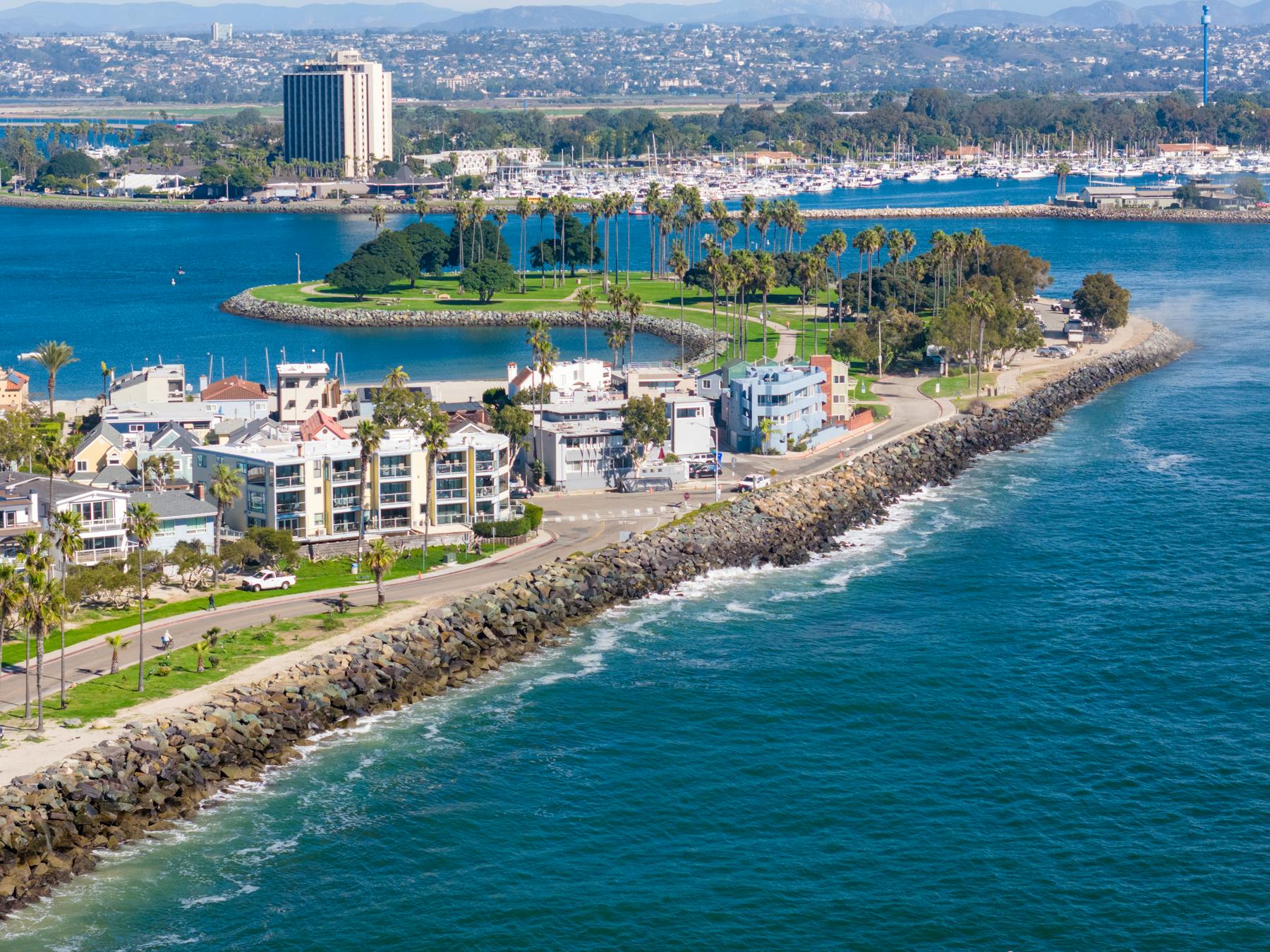
With my deep local knowledge of San Diego, I’ve helped buyers discover the beauty of La Mesa and secure their new homes that fit their lifestyle and financial goals. Weigh in the pros and cons of living in La Mesa to avoid getting investment surprises and to make sure you have the best homeownership experience.
Pros and Cons of Living in La Mesa
La Mesa offers an appealing blend of small-town charm with big-city proximity. It also has excellent access to outdoor activities and educational institutions throughout San Diego County. However, prospective residents should consider the inland summer heat, above-average living costs, traffic congestion, and potentially longer commutes if working in central San Diego.

Living in La Mesa provides a balance of comfort, accessibility, and community. To help you become a savvy homebuyer, it’s important to understand both the benefits and some potential downsides.
| Pros | Cons |
| Village Vibe, year-round activities, strong sense of community | Inland heat, high summers contribute to high utility costs |
| Direct access to San Diego, freeway and transit hub, outdoor recreation opportunities | High cost of living, employment concentration on management and sales, livable median household income |
| Property affordability, housing diversity, educational infrastructure | Local congestion, commute variability, parking limitations |
Benefits of Living in La Mesa
Knowing these advantages of living in La Mesa encourages a positive homebuying decision, confirming that the investment enhances your quality of life and happiness.
1. Lively Community and Cultural Events
La Mesa earns its nickname, the “Jewel of the Hills”, by maintaining an engaging and welcoming atmosphere. This commitment to a tight-knit community spirit is a major draw for people seeking a place that truly feels like home.
- The historic walkable town is the city’s social heart, offering boutique shops, diverse dining, and a weekly La Mesa Village Farmers Market.
- Year-round activities, including popular seasonal festivals like Oktoberfest and the Classic Car Show.
- Strong sense of safety through an active police presence, community programs, and high neighborhood cooperation.
2. Prime Location and Regional Connectivity
La Mesa provides access to major destinations and nearby outdoor spaces. Its immediate proximity to both the city center and abundant natural landscapes provides an unbeatable blend of convenience and outdoor opportunity.
- La Mesa offers an ideal balance, allowing you to reach Downtown San Diego and major job centers by car or trolley.
- Interstates 8 and 125, along with multiple San Diego Metropolitan Transit System stations, provide excellent regional connectivity and car-free commuting options.
- Outdoor enthusiasts enjoy quick access to natural areas like Mount Helix and Mission Trails Regional Park for hiking and scenic views.
3. Favorable Real Estate and Educational Value
La Mesa offers a mix of affordable housing, diverse neighborhoods, and strong educational options. Investing here means gaining a solid foothold in a stable, family-friendly community with strong long-term value, reinforced by continuous improvements and quality education options for different ages.
- Despite being nationally expensive, La Mesa home prices (around $860,000) are significantly lower than coastal San Diego (around $2 million), offering better value and financial flexibility.
- Established La Mesa neighborhoods feature varied architectural styles and a housing mix, including historic homes, new condos, and classic Ranch properties on tree-lined streets.
- La Mesa is highly attractive to families following top-rated programs from the La Mesa‑Spring Valley Schools and Grossmont Union High School District, and nearby colleges like San Diego State University.

Challenges of Living in La Mesa
While La Mesa continues to be a pleasant place to live, acknowledging these challenges upfront can help you minimize the impact of these drawbacks before your move.
1. Climate and Environment
Residents must be prepared to adapt to increased heat, which directly influences lifestyle choices and necessitates higher energy consumption to maintain indoor comfort during the peak summer season. This is a trade-off for the otherwise excellent location.
- During peak summer, inland temperatures often hit 80 to 90 degrees Fahrenheit, making the area much hotter than the coast.
- The increased inland heat necessitates higher energy consumption for indoor comfort during the summer months.
- Lack of coastal fog and sea breeze requires daily reliance on sunscreen and seeking shade outdoors.
2. Cost of Living
Living in a highly desirable region like Southern California comes with an expected premium, and La Mesa is no exception. This financial reality requires residents to have robust income streams or to carefully budget for daily expenses.
- La Mesa’s cost of living is significantly high, with housing 66% and utilities 42% above the national average.
- Most residents commute to central San Diego for higher salaries and top professional jobs, as La Mesa lacks major tech employment centers.
- The median household income is $83,649, with common jobs concentrated in management, office administration, and sales occupations.
3. Traffic and Commuting Drawbacks
La Mesa offers easy access to major highways, although that convenience comes with trade-offs. You may face slowdowns during peak hours, unpredictable commute times, and limited parking in busy areas.
- Traffic bottlenecks are common on main roads and freeway on/off-ramps during peak rush hours, complicating cross-town travel.
- Street parking is often scarce and highly competitive, especially in the dense downtown and surrounding older residential areas.
- High car ownership in the area complicates traffic, although this provides more carpooling opportunities.
Related Questions
Is La Mesa a Good Place to Live?
La Mesa is widely considered a great place to live due to its distinct, small-town “village” atmosphere, excellent location offering easy access to the greater San Diego region, and a solid array of amenities. While the inland heat and traffic can be drawbacks, the community feel and quality of life draw many happy residents.
What Are the Best Neighborhoods in La Mesa?
Mount Helix and Lake Murray are highly-regarded La Mesa neighborhoods, offering views, recreation, and charm. La Mesa Village attracts those who love walkable streets and local shops, while Rolando appeals to families seeking quiet parks. I can provide up-to-date market information about the specific character and property values of each distinct neighborhood.
How Should I Prepare for My Move to La Mesa?
When planning a move to La Mesa, plan early to understand the local housing market, which can move fast. Update your budget to account for the higher cost of living. I provide specialized advice on neighborhood-specific moving and logistics challenges to keep the process stress-free.
Conclusion
Make a confident home-buying decision by knowing both the perks and pitfalls. Ready to see the La Mesa lifestyle through an expert lens and secure your perfect spot? Contact Kathleen today for personalized guidance on finding the right home.

Receiving multiple offers is exciting, yet poorly structured deals can quickly turn the sales into chaos. With my sharp financial analysis and negotiation techniques, you’ll get the best possible terms for your property. Discover how to handle multiple offers on your home with expert strategies for evaluating bids, negotiating terms, and securing the best deal with confidence.
How to Handle Multiple Offers on Your Home
To strategically handle multiple offers, choose whether to get the best and final offer or consider open negotiation, then check your buyer’s financial qualifications. Evaluate the bid’s price, contingencies, and closing terms. Negotiate using counteroffers while making sure you have backup offers to secure your ideal outcome.
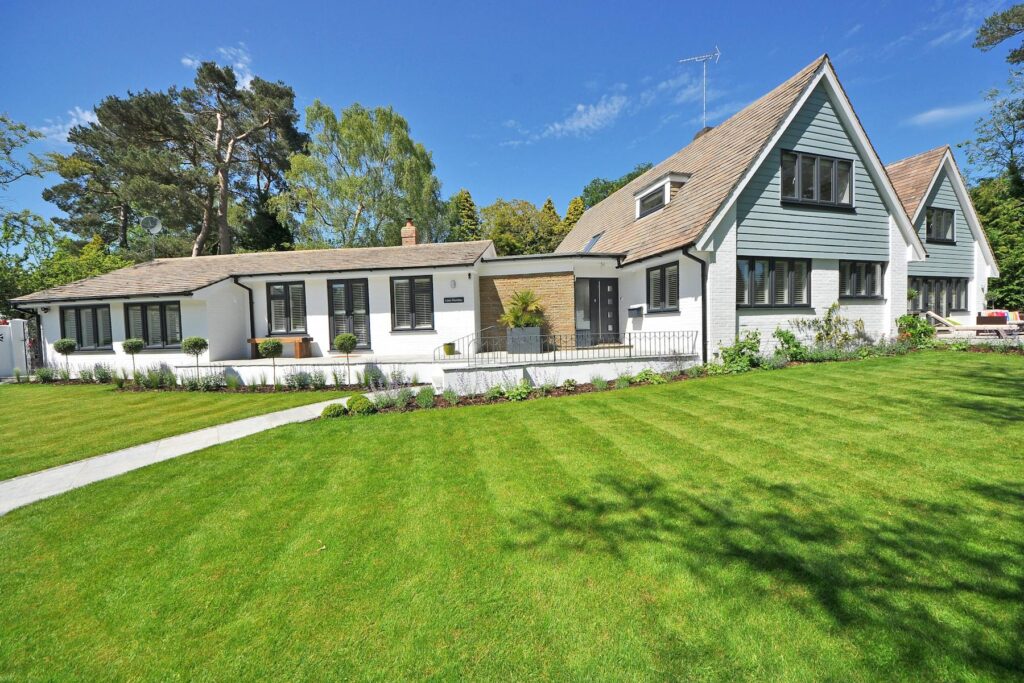
Knowing how to manage multiple offers on your home means you’ll secure the best possible price, minimize risk, and close with confidence on terms that work in your favor.
| Criteria | Considerations |
| Purchasing price | Evaluate net proceeds after concessions, not just the highest number |
| Financing strength | Cash offers close fastest; conventional loans are more reliable than FHA/VA |
| Down payment | 20% or higher indicates serious, qualified buyers |
| Contingencies | Fewer contingencies mean lower risk and smoother transactions |
| Appraisal gap | Buyers covering appraisal shortfalls protect your sale price |
| Inspection period | Shorter windows reduce the buyer’s exit opportunities |
| Closing timeline | Choose dates that align with your moving schedule |
| Earnest money | Larger deposits (2-3%+) demonstrate buyer commitment |
1. Setting the Rules of Engagement
Homes are quickly selling with an average of 2.5 offers, and over 58% of bids are above the asking price. By establishing clear expectations early, you command control over the negotiation process and maximize your net proceeds.
Choosing Your Response Strategy
A “best and final” request asks buyers to submit their top offer by a set deadline, while open negotiation allows back-and-forth discussions.
- Employ a core strategy, like best and final or open negotiation, to dictate the pace and create competitive pressure for the highest final price and terms.
- Set a hard deadline to compel buyers to submit their maximum offer immediately, securing a swift, decisive outcome.
- Engage top bidders, letting you refine flexible terms — like closing dates — for a potentially stronger deal.
Buyer Qualification and Financial Due Diligence
A thorough qualification enables you to move forward confidently, knowing your chosen buyer truly possesses the ability to fund the purchase.
- Insist the lender has reviewed the buyer’s credit, income, and assets, specifically referencing the proposed property address in the commitment letter.
- Verify the pre-approval comes from an established, reputable local bank or broker, as their involvement often signals a smoother underwriting process.
- Require certified bank statements or letters, dated within the last 30 days, that clearly show the buyer’s liquid funds meet or exceed the full purchase price.

2. Analyzing the Offer Components
Move beyond the headline price and dissect the complete package of each offer, judging both its financial gain and the inherent risk it carries.
Creating a Financial Scorecard
These monetary factors are the foundation of any strong offer, immediately showing the buyer’s commitment and ability to secure financing.
- Prioritize offers showing 20% or more down, as this investment significantly reduces the risk of appraisal issues, particularly those associated with Federal Housing Administration (FHA) and Department of Veterans Affairs (VA) loans.
- Insist on a significant earnest money deposit of at least 1% to 3% to demonstrate serious commitment and incentivize the buyer to close quickly.
- Determine if the buyer seeks credits, as this request effectively reduces your net sale price, even if the gross price looks high on paper.
Assessing Risk and Closing Terms
Evaluate buyer “escape clauses” or contingencies to determine ease of withdrawal and closing delays, as minimizing them dramatically lowers the chance of the sale collapsing.
- Seek short contingency periods and favor buyers who offer a swift seven- to 10-day period to complete inspections and remove related contract conditions decisively.
- Avoid home sale contingencies, as this clause introduces unpredictable risk and extended waiting periods.
- Prioritize offers that include an appraisal gap clause or full waiver, guaranteeing the sale price regardless of the property’s final appraised value.
3. Negotiating and Maximizing Opportunity
You can guide the strongest bidder toward better terms while still protecting yourself with a solid backup plan.
Directing the Highest Bidder and Using Counteroffers
A well-structured counter keeps buyers engaged and encourages them to improve their offers.
- Counter-offer to remove trivial contingencies or to insist the buyer accept the property in its current “as-is” condition, reducing your risk.
- Adjust the closing or possession date in your counteroffer to make the timeline work for your calendar.
- Use escalation clauses strategically to counter above a buyer’s maximum if a rival offer justifies a higher price.
Utilizing a Backup Offer
A backup offer protects you if your first deal falls through, letting you move forward without relisting or losing momentum.
- Execute a full, legally binding purchase agreement with the backup buyer, complete with signatures and an earnest money deposit (EMD) for enforceability.
- Treat the backup offer negotiation seriously to secure the best possible price and terms in case the agreement must become your active and primary sale.
- Keep the backup buyer’s agent informed about the primary contract’s progress, confirming that their offer remains viable and is next in line.

Related Questions
Can Sellers Back Out of an Offer if They Receive a Better One?
Sellers generally can’t back out of signed purchase agreements just because they receive better offers, as the accepted contract is legally binding. However, sellers may legally terminate agreements if a valid contingency written into the contract is not met by buyers, such as failure to secure financing by a deadline.
How Can Sellers Manage a Bidding War?
As a seller, you can manage a bidding war by setting a clear “highest and best” offer deadline and working with an agent to evaluate the strength of the buyer’s financials and offer contingencies. My expertise includes structuring high-demand scenarios to guarantee that every buyer submits their strongest proposal, maximizing your home’s final sale price and favorable terms.
Do Sellers Have to Disclose Multiple Offers?
Sellers don’t have a universal legal obligation to disclose the existence or terms of multiple offers to competing buyers. However, real estate agents must follow the seller’s lawful instructions on disclosure. Real estate agents can help sellers strategically use or withhold this information to encourage the most competitive final offers while adhering to ethical standards.
Conclusion
Each buyer brings different terms, timelines, and motivations. Using these strategies, you can review every offer carefully to keep you focused on your closing goals. Contact Kathleen today for expert negotiation support to turn your competitive bidding situation into a winning outcome.