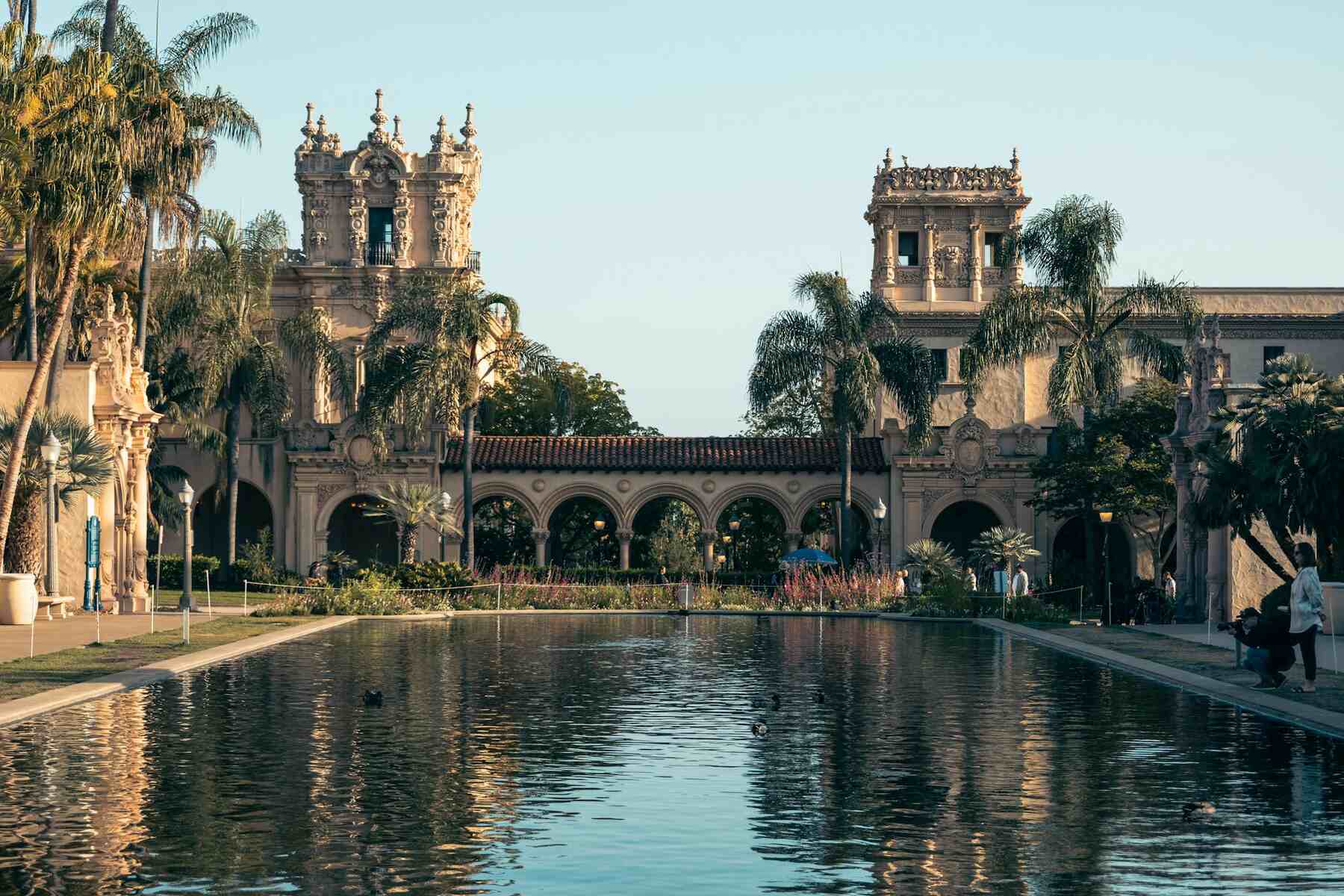
South Park packs a lot into a small, tree‑lined pocket just east of downtown San Diego. It blends early-1900s charm with a lively main street, easy park access, and a laidback, relaxing feel. If you want an urban village where you can walk to coffee, craft beer, and have plenty of off‑leash dog time, it is worth a close look.
Location matters here. South Park sits next to Balboa Park, and within the Greater Golden Hill planning area, so you get quick access to museums, trails, and downtown without living in the thick of it. The tradeoffs are typical of central San Diego: higher housing costs than some nearby areas, limited parking on popular blocks, and modest transit depth compared with trolley corridors.
TL;DR
- South Park is a historic, walkable neighborhood bordering Balboa Park with a strong small‑business scene and friendly vibe.
- Housing is pricier than Golden Hill but less than some Uptown hot spots; recent home values typically fall in the low $1M range, depending on condition, lot size, and historic status.
- Daily life favors walking and biking; bus Route 2 links South Park to downtown and North Park, with more rapid options along Park Boulevard nearby.
- Families like the IB school options that continue through middle and high school in the San Diego Unified.
- Downsides include tight street parking near 30th and Fern, competitive homebuying, and city noise typical of central neighborhoods.
Why People Consider South Park
Finding a South Park property that balances vintage charm with modern upgrades requires a patient search and a quick response to new listings. Gaining a clear perspective on local property values and zoning laws ensures your move aligns with your lifestyle needs and long-term financial goals.
This article outlines the distinct benefits of the community to help you decide if it is the right fit for your future. Working with a local San Diego real estate professional helps buyers navigate South Park’s inventory, historic district rules, and competitive offer environment with confidence.
Historic Character Meets Urban Convenience
South Park developed as an early streetcar suburb, and the city designated a large portion as the South Park Historic District. You will find Craftsman and Spanish‑style homes, bungalow courts, and quiet residential streets feeding into a compact commercial core along 30th Street and Fern Street.
That main drag is lined with cafes, restaurants, boutiques, and services, with community Walkabout nights that keep it social and low‑key rather than flashy.
Balboa Park on Your Doorstep
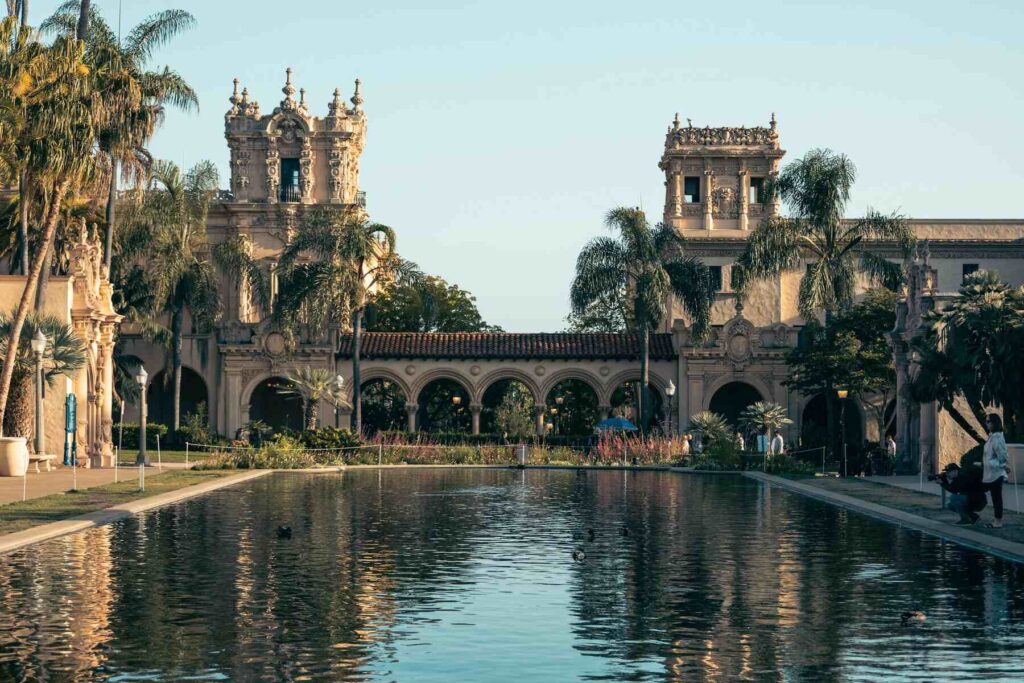
Living next to Balboa Park is a game-changer. Trails, gardens, the zoo, and cultural venues are minutes away, and dog owners especially love the five‑acre Grape Street Dog Park on the neighborhood’s western edge. The park’s free tram (operating on limited routes and schedules) and multiple bus stops around Park Boulevard make car-light trips easier.
Getting Around Without a Car
South Park is walkable by design, and biking is getting better.
- Bike access continues to improve through neighborhood greenways and connections to the Pershing Bikeway, which links North Park and downtown.
- For transit, MTS Route 2 runs Downtown-South Park-North Park.
- Route 7 along Park Boulevard adds frequent north-south service to Balboa Park and downtown connections.
- It’s not a trolley hub, but for central errands, the mix works.
Schools and Learning Pathways
Families are drawn to International Baccalaureate (IB) options that start in elementary and continue through high school.
- McKinley Elementary is an IB World School.
- Albert Einstein Academies offer IB Primary Years and Middle Years programs with campuses nearby. Enrollment is charter-based and subject to application and lottery availability.
- The IB pathway can continue at Roosevelt International Middle School and San Diego High School’s IB Diploma Program downtown, subject to district policies and enrollment rules.
Safety and Noise
South Park sits in the San Diego Police Department’s Central Division. Crime varies block by block, as in any central neighborhood.
The city’s public dashboard lets you compare South Park trends to nearby areas before you sign a lease or make an offer. Expect normal city noise near busier streets and quieter evenings on interior blocks.
Housing, Costs, and Nearby Alternatives
Prices move, but the broad picture is consistent: South Park is competitive for buyers and often commands a premium over immediate neighbors to the south and east. Use the table to compare three side‑by‑side choices that many shoppers weigh.
| Area | Average Home Value (recent estimates) | Walk Score (Neighborhood) | Everyday Feel | Transit Snapshot | Park Access |
| South Park | $1,120,012 | 73 | Historic homes, small‑scale shops, calm nights | Route 2; near Rapid 215/Route 7 on Park Blvd; bike links | Immediate access to Balboa Park; Grape Street Dog Park |
| North Park | $926,482 | 86 | Busier nightlife, more venues, and dining density | Routes 1, 2, 6, 11, Rapid 215 | Easy Balboa Park access north of the park |
| Golden Hill | $748,307 | 81 | Quieter, eclectic mix, value relative to South Park | Route 2 plus downtown trolley access nearby | Close to Balboa Park canyons and trails |
Notes: Walk Score reflects neighborhood‑level scores, so individual blocks may vary. Values are neighborhood medians and shift with the market.
What Daily Life Costs Feel Like
Learning these cost-of-living nuances helps you set a realistic expectation for your monthly discretionary spending in this specific San Diego pocket.
- Groceries and essentials are covered by neighborhood markets and specialty shops nearby, with larger grocery and retail options a short drive away.
- Dining leans local and craft, including coffee, bakeries, pizza, and taprooms along 30th and Fern, plus easy hops to North Park’s bigger lineup.
- Parking can be tight around the commercial core and during Walkabout events. Plan on using a mix of street parking, walking, and biking.
Who Thrives in South Park
Recognizing these key profiles allows you to see yourself in the community before you commit to a long-term move.
- If you value car-light living: Many residents handle daily errands on foot or by bike and supplement with transit and ride-hail, though most households still keep at least one car for regional trips. The Route 2 bus plus connections on Park Boulevard cover most central trips. The Pershing Bikeway and 30th Street improvements make short rides comfortable.
- If you want a parks-first lifestyle: Balboa Park is your backyard. Morning dog runs at Grape Street, after‑work trail loops, and museum days with visiting friends are all low‑effort. It is one of the few places in San Diego where everyday park life is truly practical.
- If you want character homes: Buyers who want original details gravitate here. The historic district status can add pride of place, though exterior changes may require additional review, longer timelines, and closer coordination with the city.
Examples
These scenarios highlight the trade-offs and advantages of the community, making the transition feel more tangible and predictable.
Ending the Remote Workday With Walkable Social Hubs
A couple renting a 1‑bedroom chooses South Park for its quiet streets and walkable coffee options. One bikes the Pershing Bikeway to a downtown co‑working space twice a week; the other walks to Grape Street with their dog daily.
They skip owning a second car, splitting transit and ride‑hail for airport runs and Padres games, and plan to buy in Golden Hill later to stretch dollars while staying close.
A Pedestrian-Friendly Layout for Afternoon Strolls
Two parents with a preschooler and a dog move from a larger suburban rental to a smaller South Park bungalow. They like that McKinley Elementary and Einstein’s IB programs are close and that Balboa Park’s playgrounds and trails are minutes away.
Weeknights are on foot along Fern Street, weekends include the zoo by bus, and visiting grandparents use the free park tram when they join museum days.
Actionable Steps / Checklist
Following a structured set of tasks helps you vet the neighborhood thoroughly and avoid common home-buying pitfalls.
- Walk the main corridors: Stroll 30th and Fern on a weekday evening and a weekend afternoon to gauge noise, parking, and foot traffic.
- Test your commute: Ride Route 2 or bike Pershing on a typical workday, both directions; time the door‑to‑door trip.
- Check the city crime dashboard: Compare South Park to Golden Hill and North Park over the past 6 to 12 months by category.
- Verify school pathways: Confirm IB programs and boundaries for McKinley, Roosevelt, and San Diego High if that matters for your timeline.
- Price reality check: Review current home values for South Park and nearby areas, then scan active listings to see what your budget buys.
- Parking reality check: If you drive, visit prospective blocks after 6:00 PM and during a South Park Walkabout to see true parking conditions.
- Confirm remodel rules: If you plan exterior changes on a historic‑district property, read the city’s guidance before you buy.
Glossary
Having this specialized vocabulary at your disposal makes it easier to communicate with professionals and interpret market reports accurately.
- Walk score: A number from 0 to 100 estimating how easily you can do daily errands on foot from a given area.
- Historic District: A city‑designated area where buildings and streetscapes have a protected historic character; exterior changes may face extra review.
- Protected bikeway: A bike lane physically separated from car traffic with posts, curbs, or parked cars for added safety.
- Rapid 215: A frequent MTS bus line running primarily along Park Boulevard and El Cajon Boulevard, providing faster north-south connections between downtown and Mid-City areas, as well as the San Diego State University.
FAQ
How expensive is South Park compared to nearby neighborhoods?
Typical home values in South Park are around the low $1M range, with North Park and Golden Hill generally trending lower. Rents track central San Diego norms and vary by block and unit type.
Is South Park safe?
South Park is a central San Diego neighborhood with mixed usage and typical urban activity. Use the San Diego Police Neighborhood Crime Summary Dashboard to compare recent trends, zoom to your block, and see categories that matter to you.
What is parking like in South Park?
Expect limited street parking near 30th and Fern, especially on weekends and during Walkabouts. Interior streets are easier. If parking is essential, prioritize homes with off‑street options.
Can I live in South Park without a car?
You can conveniently join many South Park residents who don’t have a car. Route 2 links South Park to downtown and North Park, Rapid 215 and Route 7 run along Park Boulevard, and the Pershing Bikeway connects bikes to downtown. For regional trips, rideshare and car‑share fill the gaps.
Are there good schools close by in South Park?
There are several good schools in South Park. McKinley Elementary is an IB World School, while Albert Einstein Academies offer IB programs with an elementary campus in South Park and a middle school nearby. The IB path can continue at Roosevelt International Middle School and San Diego High School’s IB Diploma Program.
Final Thoughts
If you picture a front porch, leafy streets, and regular walks into a compact main street, South Park delivers. You pay for charm and location, but you also gain everyday access to Balboa Park, credible car‑light options, and a community that shows up for local businesses.
If those are your must-haves, South Park is worth evaluating carefully with up-to-date market data and neighborhood-specific insight. As a local real estate agent in San Diego, I can help prioritize which of these steps matter most based on your budget, timing, and risk tolerance.